






















Garage Anti-Fatigue Standing Zones, A Smarter Way to Work in Comfort
By Clark Rubber | 10th July, 2026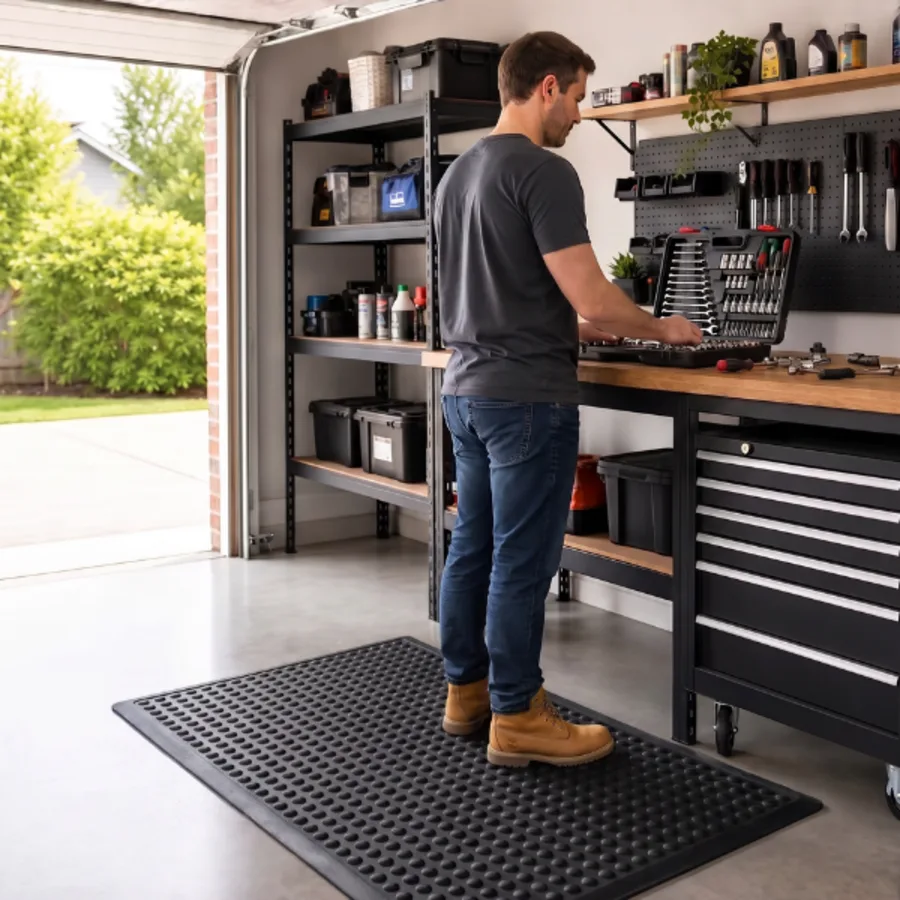
A garage is often one of the hardest working spaces in the home. It becomes a workshop, storage area, home gym, repair bay, hobby station, and sometimes even a small business workspace. But while many people focus on tools, storage, and lighting, one important detail is often overlooked, the surface you stand on.
Concrete garage floors are durable, but they are not forgiving. Spending long periods standing on hard flooring can leave feet, legs, knees, and lower backs feeling sore and tired. That is where anti-fatigue standing zones can make a noticeable difference.
Whether you are detailing a car, working at a bench, gardening, building furniture, or tackling weekend DIY projects, the right garage matting can help create a more comfortable and practical workspace.
What Is an Anti-Fatigue Standing Zone?
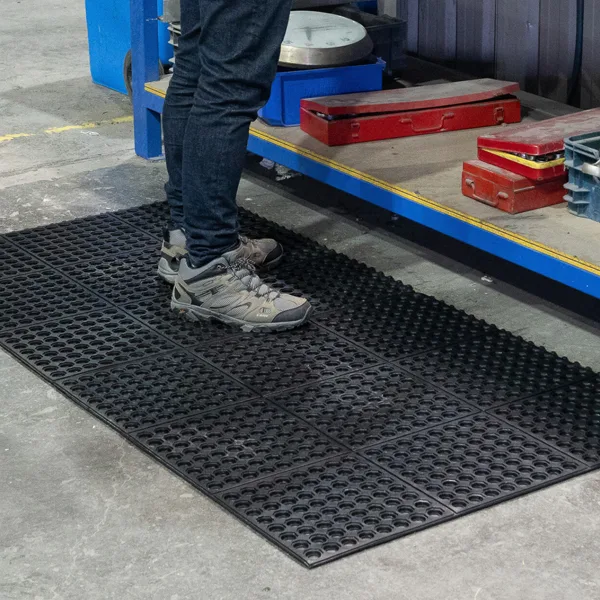
An anti-fatigue standing zone is a designated area fitted with matting designed to make standing on hard surfaces more comfortable. These zones are commonly placed where people spend the most time standing still, such as:
• In front of a workbench
• Beside tool storage
• Under a vehicle lift area
• At a laundry station in the garage
• Around hobby or craft benches
• Near a sink or wash area
Anti-fatigue mats are designed to provide cushioning and support underfoot while still remaining stable. Our anti-fatigue matting range is designed to help reduce fatigue from standing on hard surfaces for long periods. They promote subtle foot movement and cushioning underfoot, helping reduce pressure on feet, legs, and lower backs.
For many garage users, that extra comfort becomes noticeable quickly, especially during longer jobs.
Why Garage Floors Can Be Tough on the Body
Concrete is practical because it is strong, durable, and easy to maintain. The downside is that it offers very little shock absorption.
If you spend several hours working in the garage, your body absorbs repeated pressure through the feet and joints. Over time, this can contribute to:
• Tired feet
• Sore knees
• Leg fatigue
• Lower back discomfort
• General stiffness after standing
Many people only realise how much strain their flooring creates once they try standing on supportive matting instead.
This is particularly relevant for:
• DIY renovators
• Car enthusiasts
• Tradespeople working from home
• Hobby mechanics
• Woodworkers
• Gardeners using garage potting stations
• Home gym users
• Small business owners operating from garages
Where Anti-Fatigue Mats Work Best in a Garage
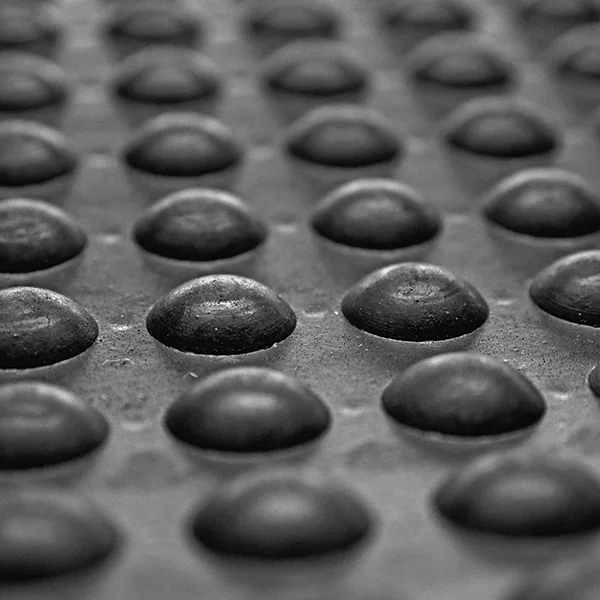
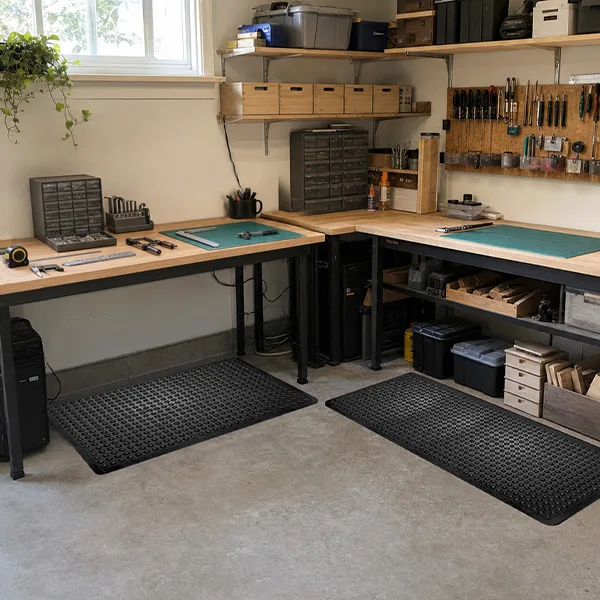
One of the advantages of garage standing zones is flexibility. You do not necessarily need to cover the entire floor. Many people simply create comfort zones in the areas where they spend the most time.
- Workbench Areas
A workbench is one of the most common locations for anti-fatigue matting. Whether you are sanding timber, tuning a bike, repairing equipment, or sorting tools, standing in one spot for long periods can become uncomfortable.
A rubber mat positioned along the front of the bench helps soften the feel of the floor while also improving grip underfoot.
- Vehicle Maintenance Areas
Car maintenance often involves standing for extended periods while polishing, cleaning, detailing, or carrying out repairs. A durable rubber mat can help create a more comfortable standing area while also helping protect the floor from scratches and dropped tools.
- Laundry and Utility Corners
Many Australian garages double as utility spaces. If your washing machine, sink, or storage area is located in the garage, anti-fatigue matting can improve comfort during repetitive household tasks.
- Hobby and Craft Spaces
Garages are increasingly used for hobbies including model building, sewing, and electronics work. Creating a comfortable standing surface can help make these spaces more enjoyable to use.
Choosing the Right Garage Matting
Not all garage mats are the same. The best option depends on how the space is used, how much foot traffic it sees, and whether exposure to moisture, dirt, or oils is likely.
We offer a wide range of rubber matting and anti-fatigue products suitable for workshops, garages, and industrial-style environments.
Here are a few things worth considering before choosing.
- Cushioning and Support
A mat should feel supportive without being overly soft. Excessively soft matting can feel unstable over time, particularly in workspaces where balance matters.
Many users look for a balance between comfort and stability, especially around tools or machinery.
- Grip and Surface Texture
Garages can become dusty, wet, or slippery. Textured rubber surfaces can help improve traction underfoot.
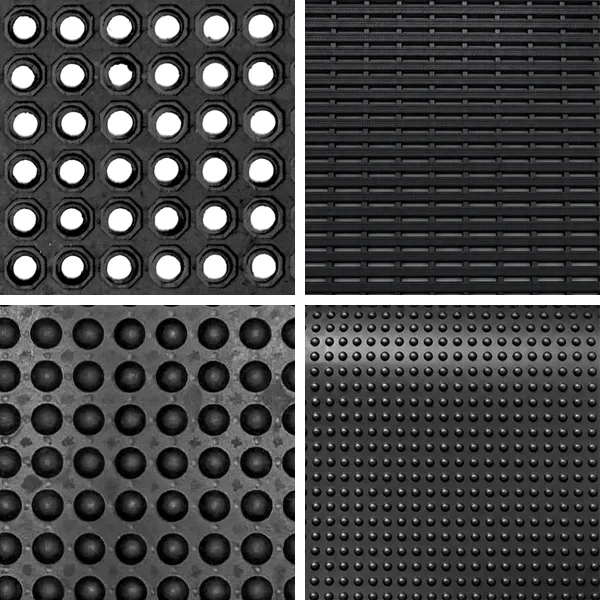
Our range includes options such as dome, ribbed, checker plate, honeycomb, and studded styles, each suited to different environments and preferences.
- Durability
Garage flooring experiences heavy wear. Rolling toolboxes, dropped equipment, foot traffic, and vehicles all place pressure on matting.
Rubber matting is popular because it is designed for demanding environments and can withstand regular use in workshops and garages.
- Size and Layout
Some people prefer individual mats in key standing areas, while others choose cut-to-length matting to create larger continuous work zones.
If you are unsure how much coverage you need, our experts in-store can help you compare options and work out what suits your garage layout best.
Garage Standing Zones for Different Uses
- For DIY Enthusiasts
If your weekends are spent building shelves, restoring furniture, or working on renovation projects, standing comfort matters more than you might expect.
A practical anti-fatigue zone near your workbench can help make longer jobs feel less physically demanding.
- For Home Mechanics
Garage mechanics often move between standing, kneeling, and walking around vehicles. Rubber matting can improve underfoot comfort while also helping create safer footing around tools and equipment.
- For Home Gyms
Many garage gyms already use rubber flooring for impact protection. Adding anti-fatigue style zones near weight benches or standing exercise stations can improve comfort during workouts.
- For Gardening and Potting
Garage potting benches are becoming more common in Australian homes. A washable rubber mat can help make cleanup easier while improving comfort during planting and repotting tasks.
Why Material Choice Matters
Rubber remains one of the most popular choices for garage matting because it combines durability, grip, and cushioning in a practical format.
Our matting range includes products designed for commercial and industrial-style environments where comfort and durability are important.
Different materials and surface designs may suit different garage conditions:
• Honeycomb styles can assist with drainage and debris
• Ribbed surfaces may help with traction
• Dome and cushion styles are often chosen for standing comfort
• Heavy-duty rubber rolls suit larger workshop areas
If your garage sees exposure to water, oils, or regular vehicle traffic, discuss your intended use with one of our in-store experts and they can help narrow down suitable options for you.
Creating a More Functional Garage
Comfort may not be the first thing people think about when improving a garage, but it can have a significant impact on how enjoyable the space is to use.
A well-planned standing zone can help transform part of the garage into a more practical workspace without major renovation costs.
Simple additions like anti-fatigue matting can help:
• Improve comfort during long tasks
• Create clearer work areas
• Protect flooring underneath
• Add grip in busy zones
• Make workshop spaces feel more finished and organised
For many homeowners, that means spending more time comfortably using the garage for projects, hobbies, repairs, or exercise.
Finding the Right Fit for Your Garage
Every garage is different. Some spaces need heavy-duty workshop matting, while others benefit from lightweight removable mats in smaller work zones.
If you are unsure where to start, visit or contact your local Clark Rubber for assistance. Our in-store experts can walk you through different materials, textures, and sizes so you can choose the most suitable option for your garage setup, budget, and intended use.
Whether you are setting up a serious workshop or simply making weekend DIY jobs more comfortable, the right anti-fatigue standing zone can make your garage easier and more enjoyable to work in.
Frequently Asked Questions
For many people, yes. The difference is often most noticeable during longer garage sessions.
Standing on cushioned rubber rather than bare concrete can help reduce discomfort and make repetitive tasks more manageable and comfortable.
No, this is not commonly necessary. Many homeowners create smaller standing zones in high-use areas rather than covering the entire floor.
This approach is often easier to clean and more cost effective.
Most garage rubber matting can be swept, vacuumed, or hosed down depending on the application.
In dusty or messy workspaces, removable mats are often practical because they can be lifted and cleaned separately.
Heavier rubber matting generally stays in place well on concrete flooring. Choosing the correct thickness and style for the application also helps improve stability.
If you are unsure which matting to choose to avoid moving, please speak to our experts in-store for assistance with making the right choice.
This is where our in-store experts can help. Our stores stock a wide range of matting styles, and we can help explain the differences between products based on how you plan to use your garage.