🚚 Limited free delivery on orders over $120*
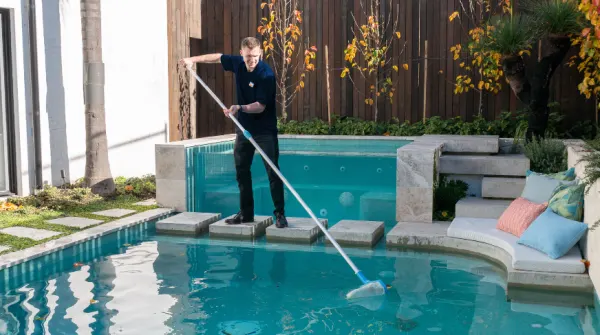
We offer a great range of services to look after your pool and keep it crystal clear all-year-round.
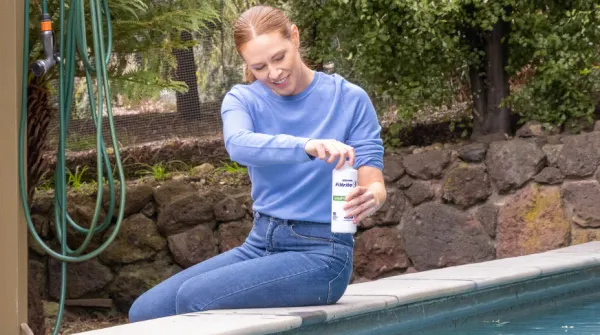
Bring a sample of your pool water into store in a clean bottle and our team will test it for several key factors.
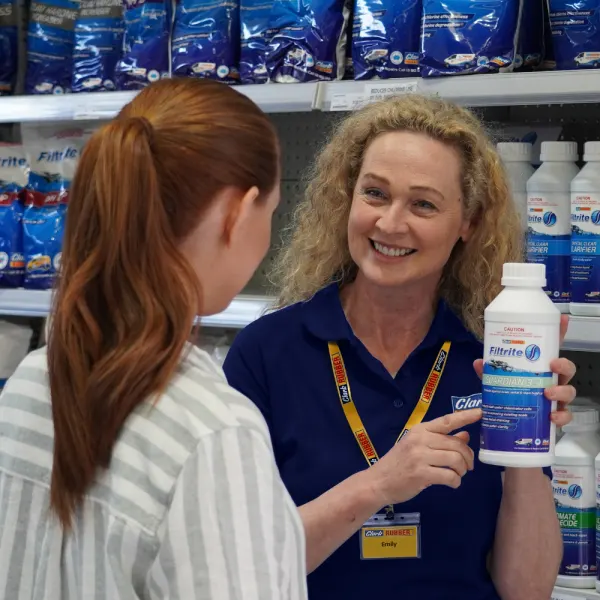
Our Superstores have everything you need to keep your pool or spa in top condition so you can enjoy it for longer.

Explore our blog for expert tips and advice on keeping your pool and spa in top condition.

With our spa experts, it’s easy to keep your spa clean, in good working order, and always ready to relax in.
Bring a sample of your spa water into store in a clean bottle and our team will test it for several key factors.
Our Superstores have everything you need to keep your spa in top condition so you can enjoy it for longer.
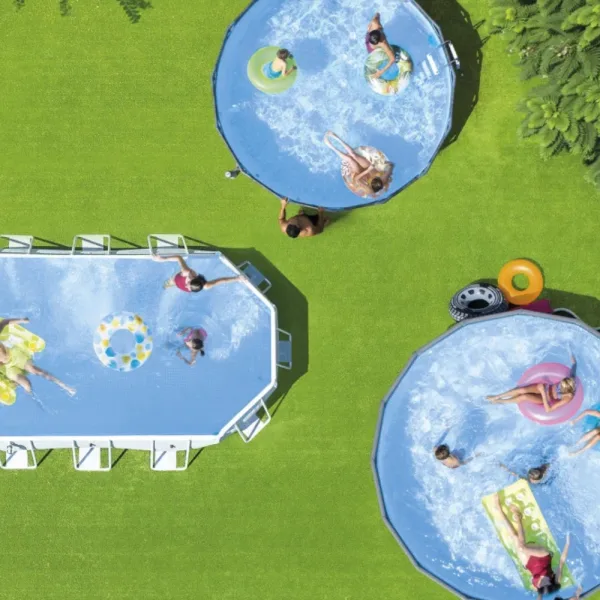
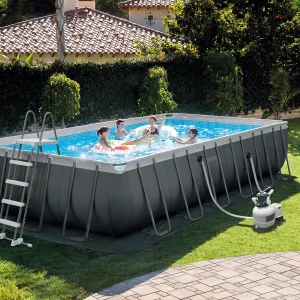
Portable pools are an easy and affordable way to bring fun to your backyard.
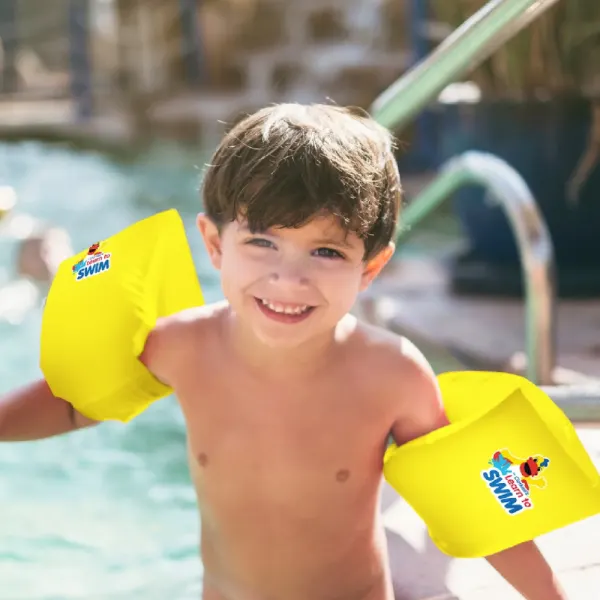
Discover the Learn to Swim range, designed to introduce children to the water in a fun and enjoyable way.

Swimply is like Airbnb for pools: rent one out for a few hours of fun or a special event.
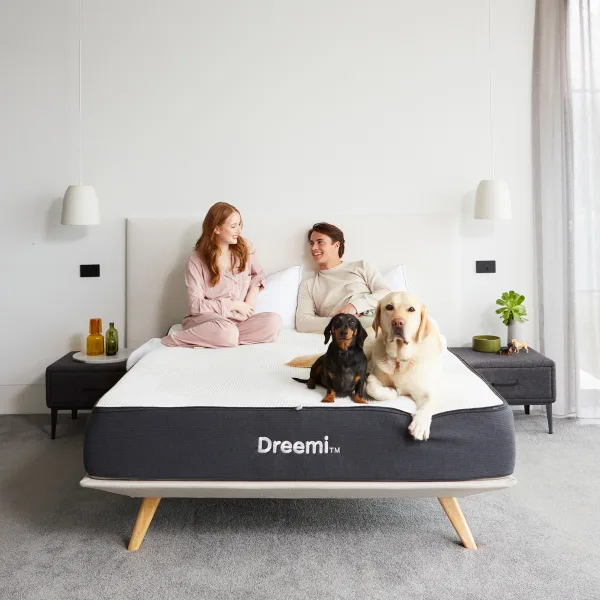
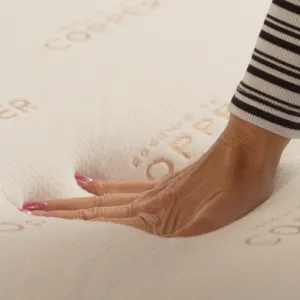
Dreemi mattresses feature five innovative layers designed to deliver optimal comfort for every type of sleeper.
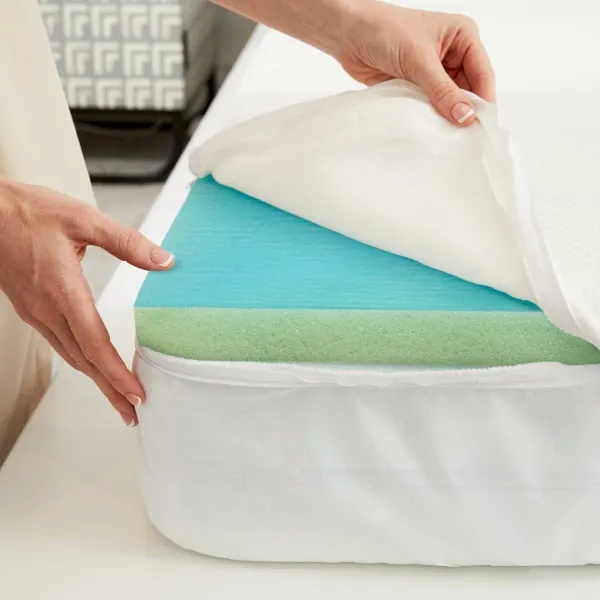
Upgrade your sleep without a whole new mattress with our premium toppers.
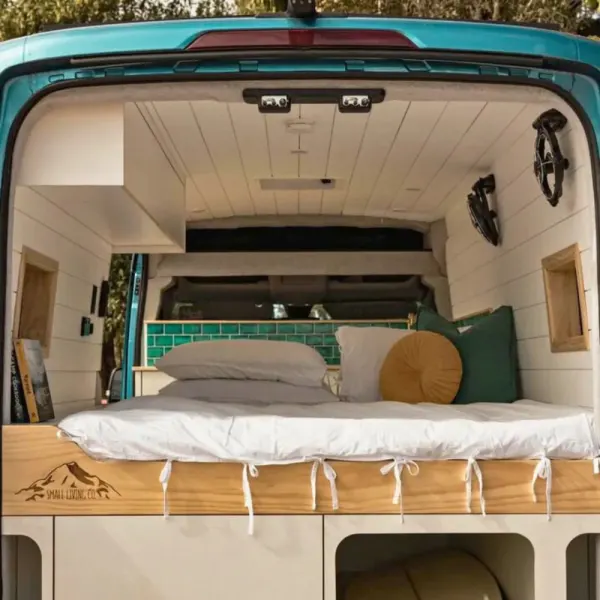
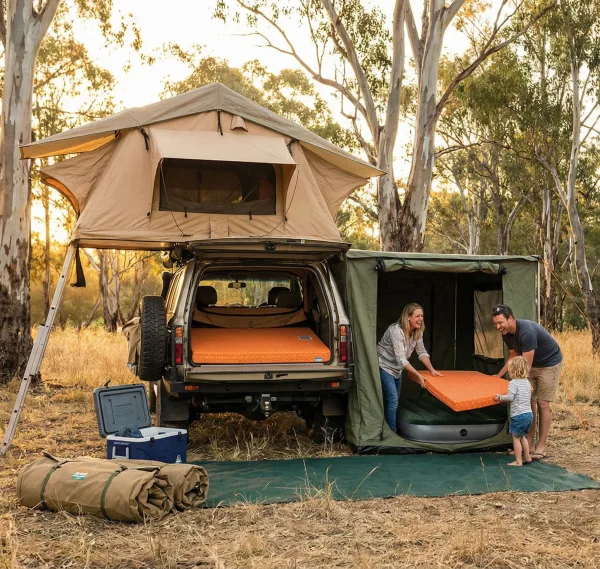
Caravan, campervan, camper trailer, or boat - we can tailor make a mattress to your specifications.

From lounges, chairs, cushions and daybeds, to soundproofing and packaging, Clark Rubber can custom cut foam for exactly what you need.
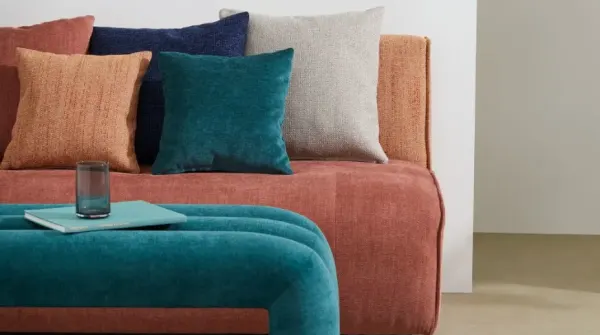
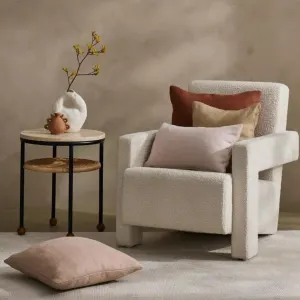
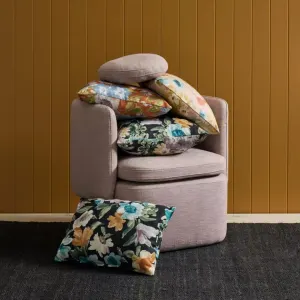
Custom create your dream cushions in 3 easy steps: Fabric, Foam & Finish.
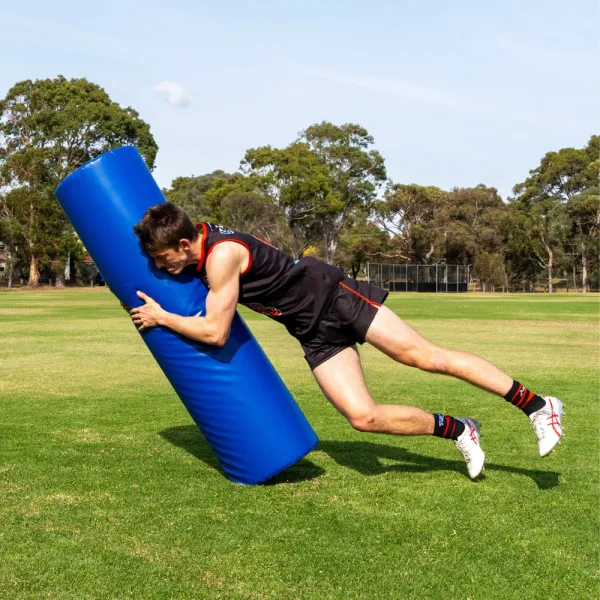
Add your team's logo to our foam sports equipment. Available in 4 colours and multiple sizes; perfect for any team.
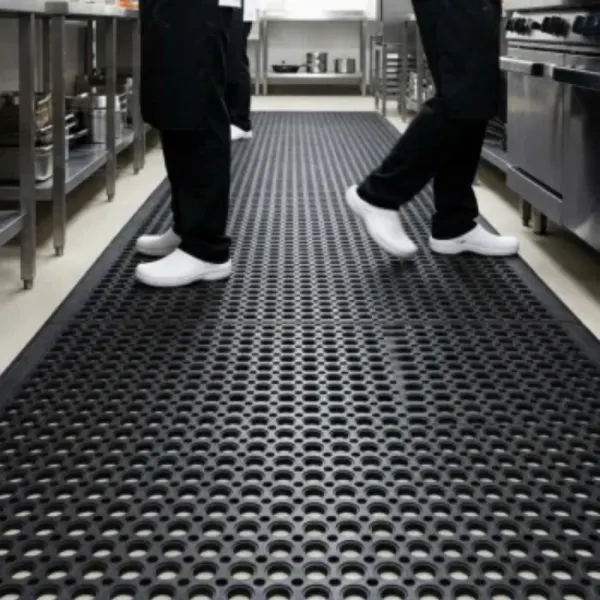
From entrance mats to anti-fatigue, carpet, and custom logo mats, we’ve got the perfect solution for every space.
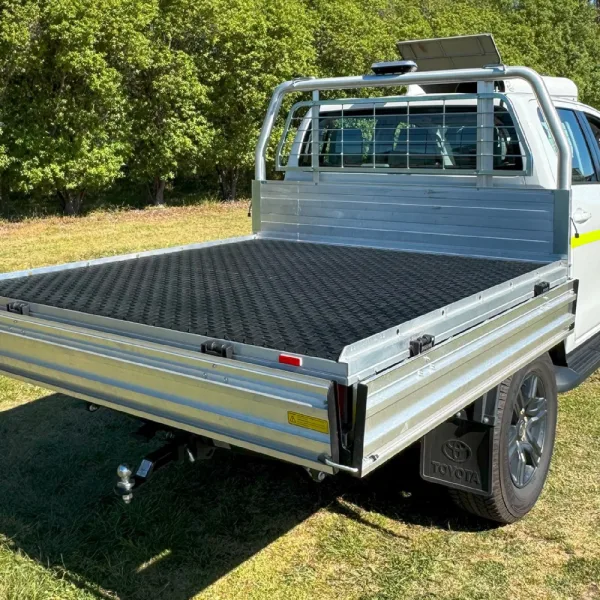
Ute matting provides durable protection for your vehicle tray, helping prevent damage from heavy loads and everyday wear.
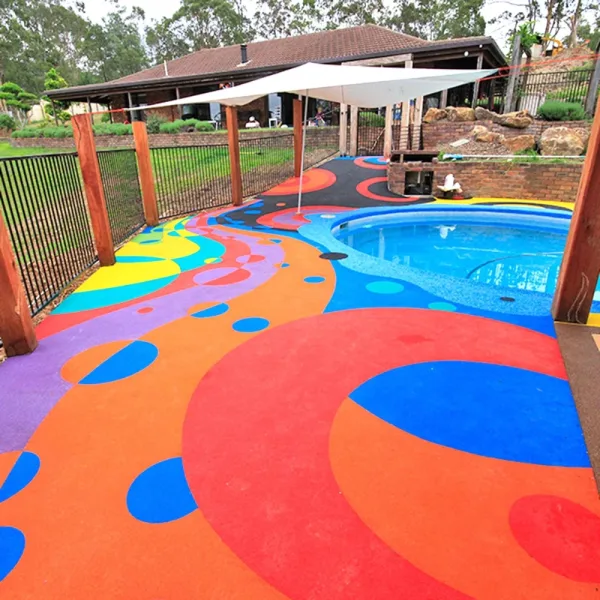
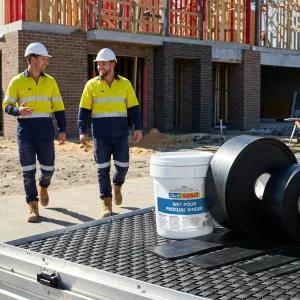
From playgrounds to pathways, garden paths to pool surrounds, Wet Pour Rubber can be formed to any shape.
Custom create your dream cushions in 3 easy steps: Choose your fabric, choose your foam & choose your finish.
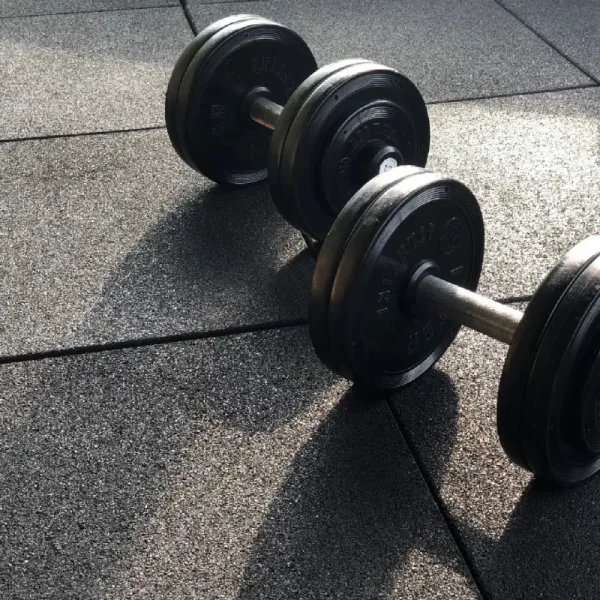
Create a safer, more comfortable workout space with durable gym mat flooring.
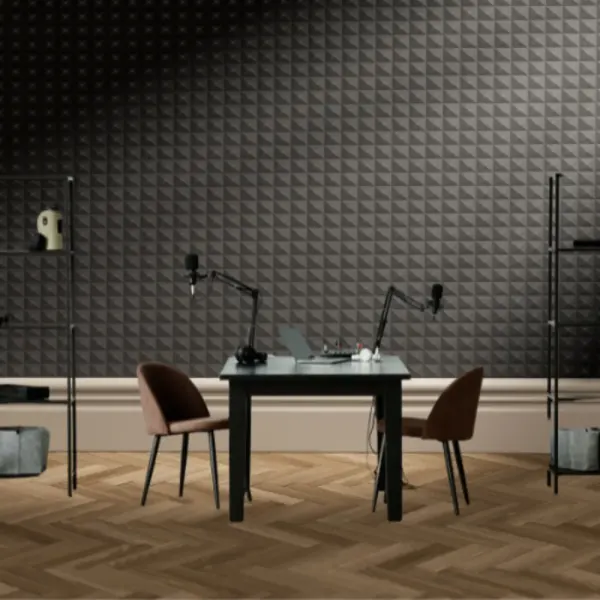
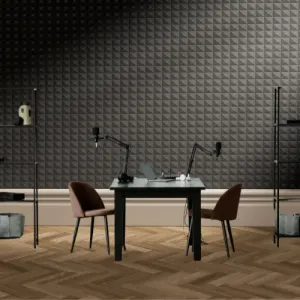
Read our step-by-step guide on how to set up a podcast space using our acoustic foam.
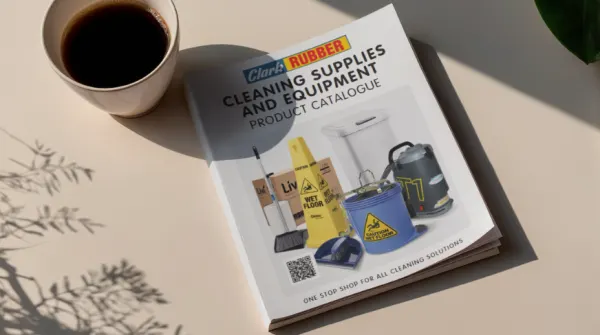
Find the right cleaning products for your business with our easy-to-follow guide.
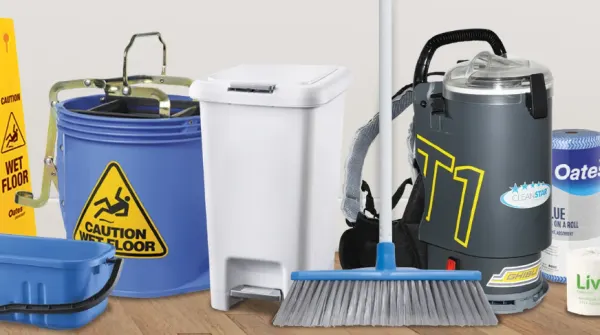
Sign up for a Business Account with us to easily access your invoices, order history, and apply for a credit account.
We offer a great range of services to look after your pool and keep it crystal clear all-year-round.
Bring a sample of your pool water into store in a clean bottle and our team will test it for several key factors.
Keep your pool running smoothly and your water crystal clear with a professional equipment check.
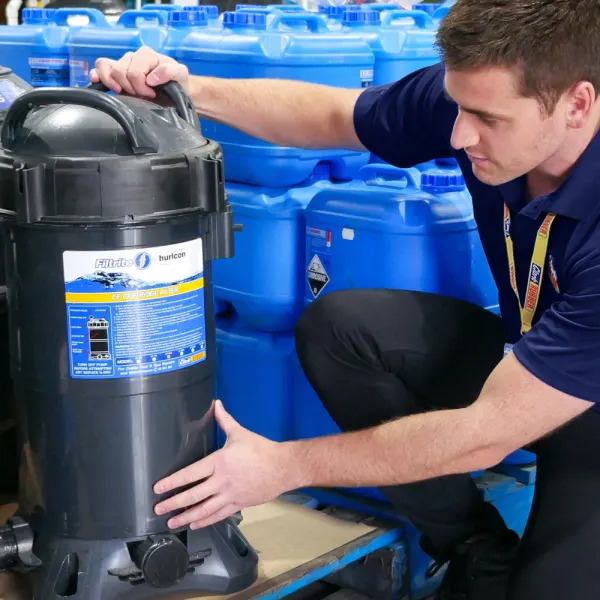
Our experienced technicians can repair your equipment or recommend the right replacement for your pool.
With our spa experts, it’s easy to keep your spa clean, in good working order, and always ready to relax in.
Bring a sample of your spa water into store in a clean bottle and our team will test it for several key factors.
Custom create your dream cushions in 3 easy steps: Choose your fabric, choose your foam & choose your finish.
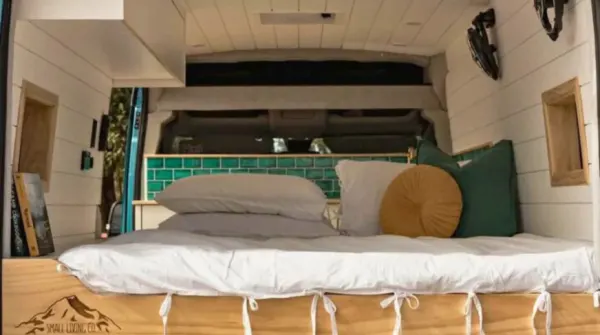
Caravan, campervan, camper trailer, or boat - we can tailor make a mattress to your specifications.
Add your team's logo to our custom branded foam sports equipment. Available in 4 colours and multiple sizes.
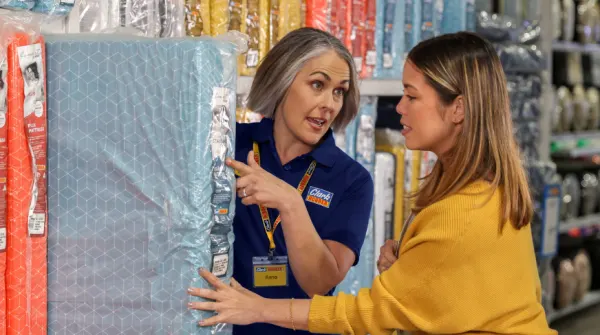
Need a mattress trimmed to size? Buy any of our Comfort mattresses in-store and we can cut it the exact size you need.
From lounges, chairs, cushions and daybeds, to soundproofing and packaging, Clark Rubber can custom cut foam for exactly what you need.
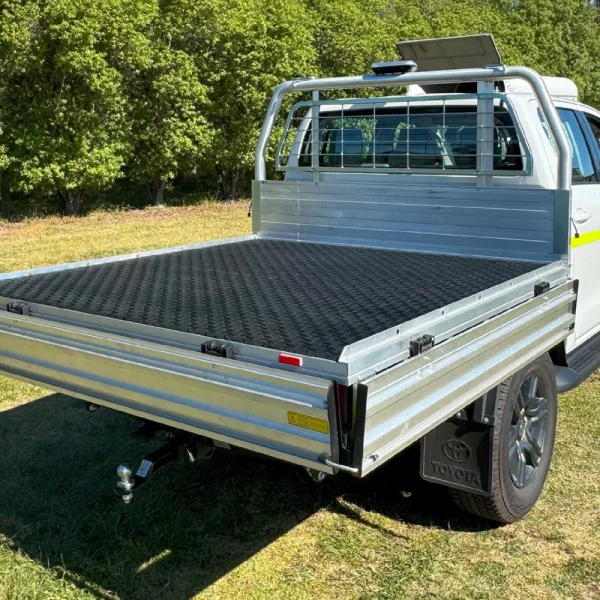
Get the perfect fit every time with our cut-to-length flooring and matting, tailored to suit your space and needs.
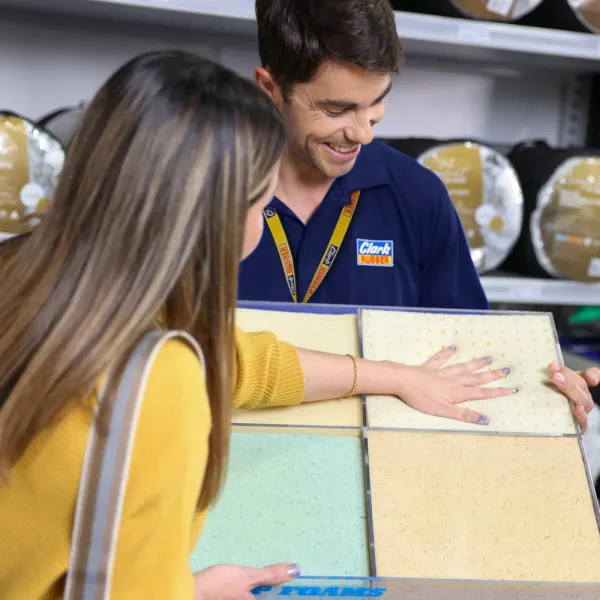
Find a store near you to see our products in person, or ask our expert staff for advice on anything pools, foam, rubber, or cleaning.
Our Superstores have everything you need to keep your pool or spa in top condition so you can enjoy it for longer.
Swimply is like Airbnb for pools: rent one out for a few hours of fun or a special event.
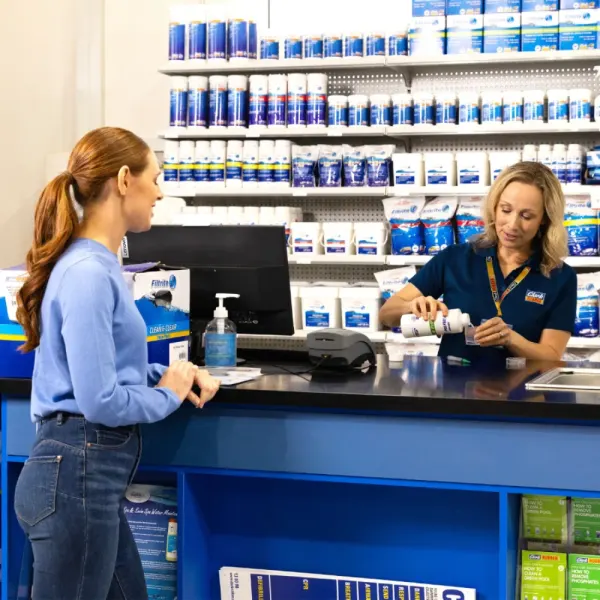
Is your pool green, cloudy, and unusable? The good news is it can be fixed quickly with the right steps.
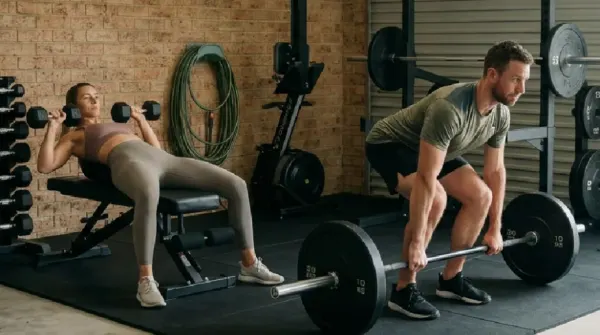
With the right setup, you can build a practical, effective home gym that supports everything from quick workouts to full training sessions.
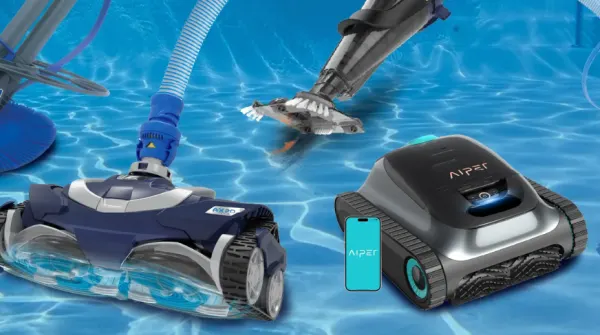
How to choose a pool cleaner to keep your water clean and inviting all year round.
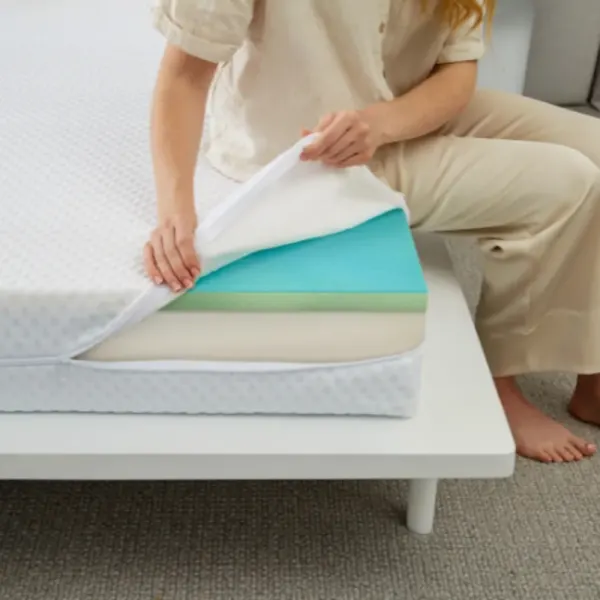
Say goodbye to tossing and turning at night. Clark Rubber’s brand-new Comfort Platinum Cool Max offering is here to redefine how Australians sleep.
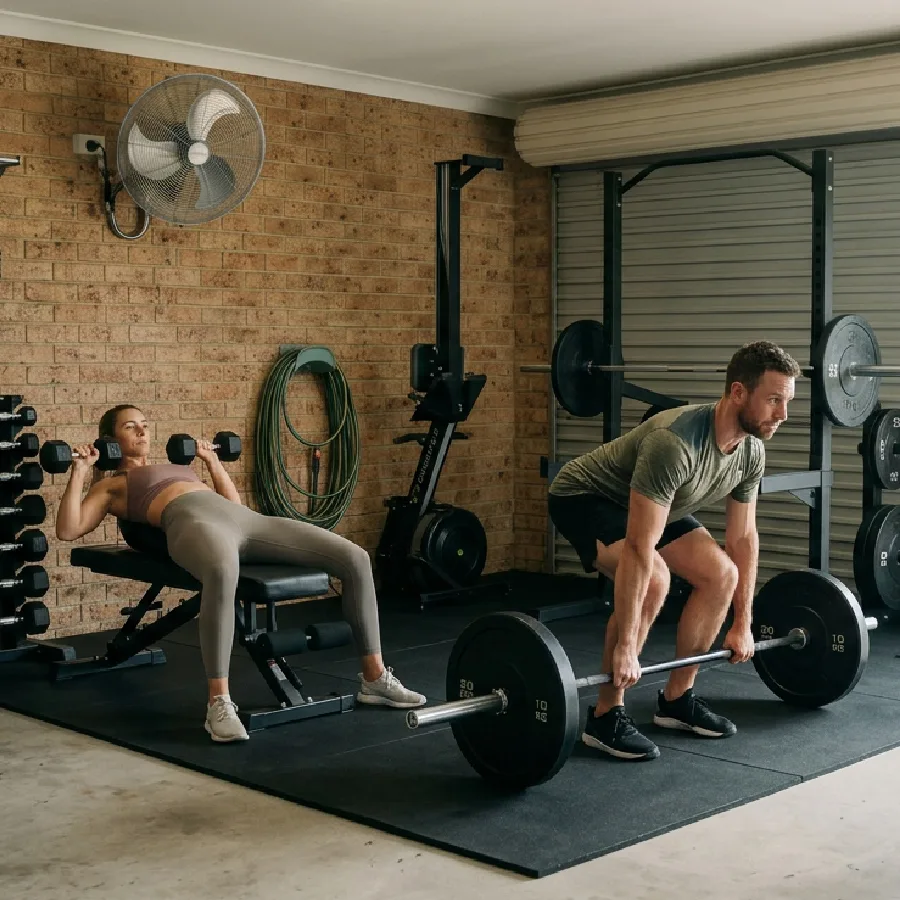
If you’re a fitness junkie, you already know the hardest part isn’t motivation - it’s consistency.
And nothing kills consistency faster than:
That’s why more people are creating a home gym - a space that works around their life, not against it.
The good news? You don’t need a full garage conversion or thousands of dollars worth of equipment. With the right setup, you can build a practical, effective home gym that supports everything from quick workouts to full training sessions.
Why a Home Gym Actually Works (When Done Right)
A home gym isn’t about replicating a commercial space. It’s about removing friction.
You want something that:
The key is choosing versatile, multi-use gear that adapts to your routine.
Step 1: Start from the Ground Up (Literally)
Before you think about workouts, think about your surface.
Flooring is one of the most overlooked parts of a home gym - but it’s what protects:
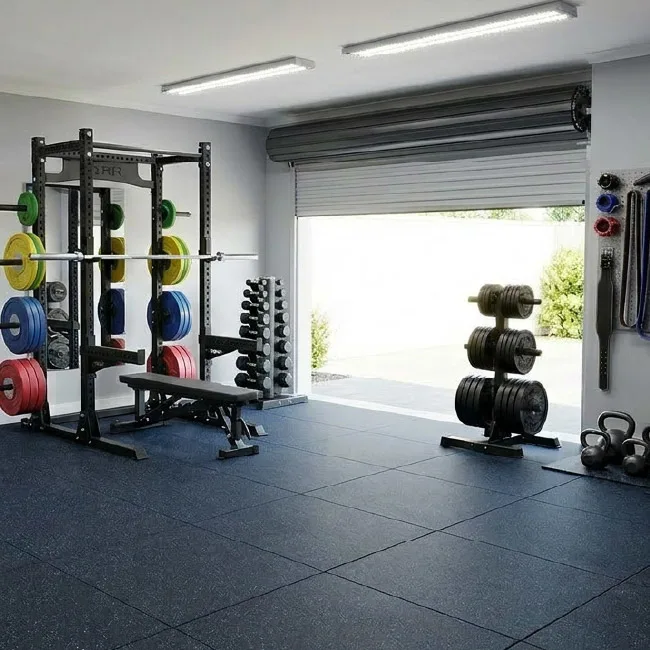
Options like the Home Gym Tile and Commercial Gym Tile create a dedicated workout zone instantly.
Why gym flooring matters:
When to choose:
If you’re serious about consistency, this is where you start.
Step 2: Build a Flexible Workout Base
Once your space is sorted, the next step is creating a base for movement.
A Yoga Mat is one of the simplest but most-used pieces in any home gym.
Why it’s essential:
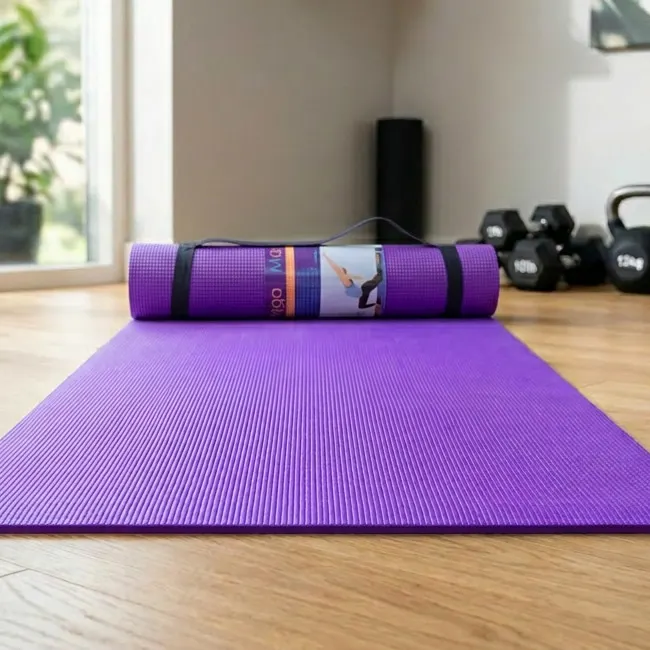
Pair it with an EVA Yoga Block to improve form and control.
Great for:
This combo works whether you’re doing:
Step 3: Add Strength Without Bulk
You don’t need a rack of heavy weights to get stronger at home.
Smart, compact equipment like Exercise Handles lets you build resistance training into your routine without taking up space.
Why they’re useful:
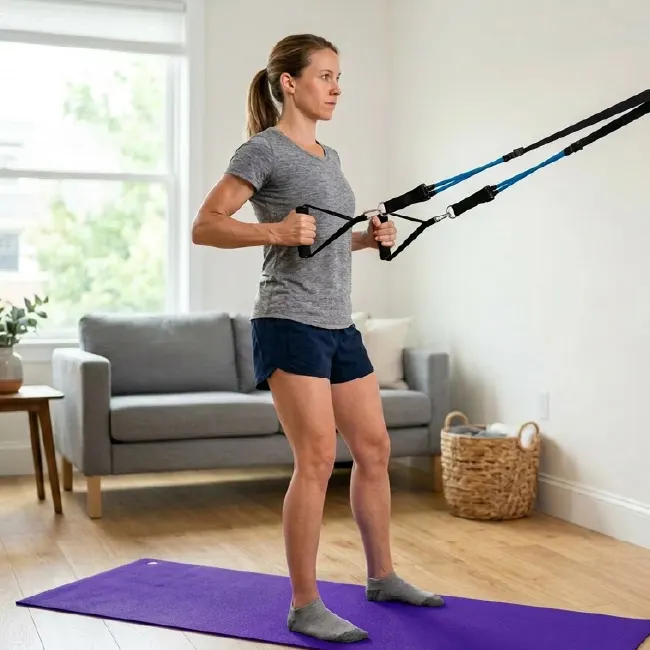
For something different, Aqua Fitness Short Dumbbells add resistance in water-based workouts.
Ideal if you:
They’re especially useful for recovery days or mixing up your routine.
Step 4: Don’t Skip Recovery (This Is Where Results Happen)
Fitness junkies often focus on training - but recovery is where consistency is built.
Tools like the 3 in 1 Yoga Roller and Sports Roll Foam help keep your body moving well.
Why recovery tools matter:
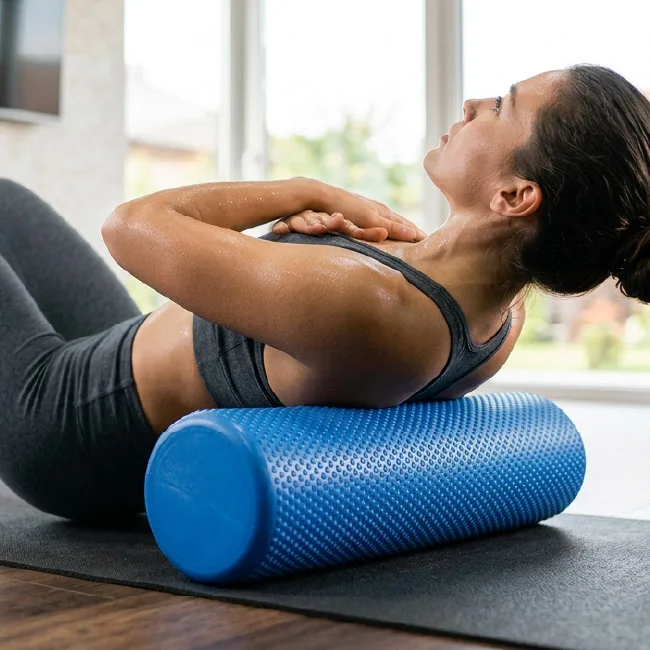
How to use them:
This is the difference between short bursts of motivation and long-term progress.
Step 5: Make It Work for Small Spaces
One of the biggest concerns with home gyms is space.
The reality? You don’t need much.
Most of these products are:
A simple setup could look like:
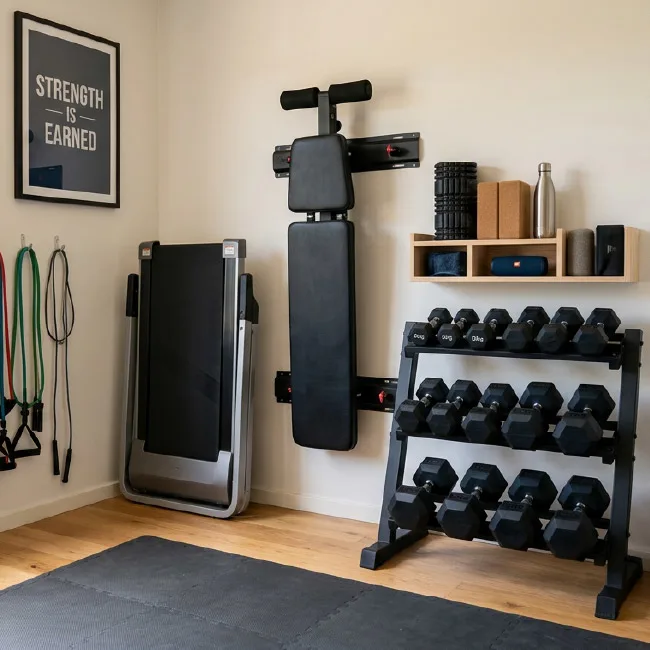
Step 6: Add Recovery and Lifestyle Extras
For those who train regularly, recovery isn’t optional - it’s part of the routine.
The Portable Ice Bath is a practical addition for anyone serious about recovery.
Why it’s useful:
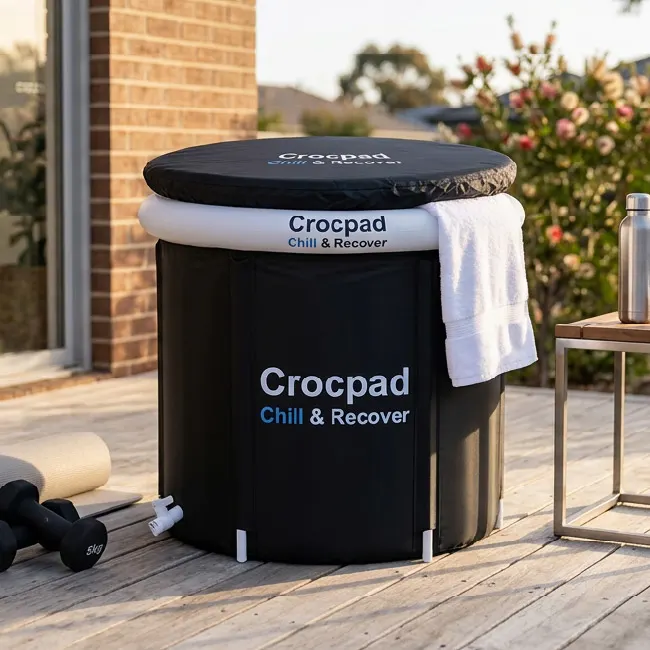
It’s especially valuable if you:
How to Build a Setup That You’ll Actually Use
It’s easy to overcomplicate a home gym. The goal isn’t to have everything - it’s to have what you’ll use consistently.
Ask yourself:
Example setups:
Minimalist (Small space, quick workouts)
Balanced (Most households)
All-rounder (Fitness-focused household)
Common Questions (From Real Buyers)
“Do I need flooring, or can I just use a mat?”
You can use a mat - but flooring makes a big difference in stability and comfort, especially for regular training.
“Is this enough for strength training?”
For most people, yes. You can build effective workouts using:
“What if I lose motivation?”
Make your setup:
The easier it is to start, the more likely you are to stick with it.
“Can I use this for multiple types of workouts?”
That’s the goal. Every item here is chosen for versatility:
Creating a Space That Feels Like Yours
Your home gym doesn’t need to look like a commercial facility.
It just needs to:
Add small touches:
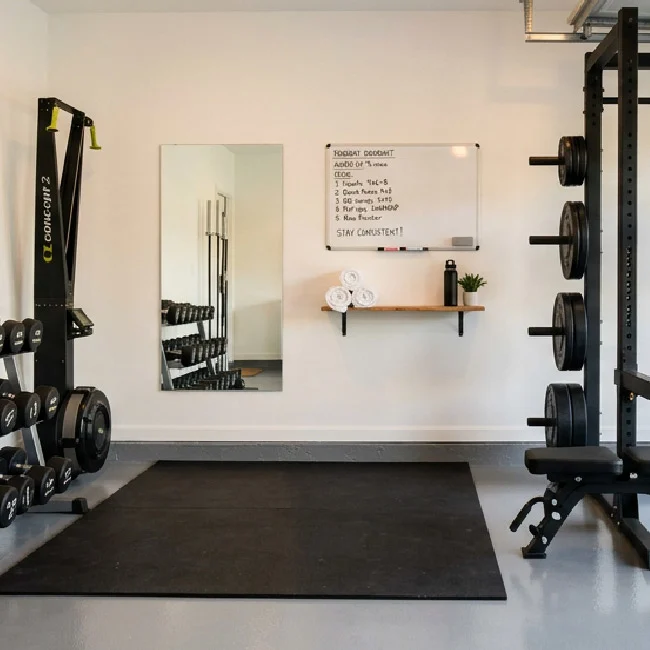
A true home gym isn’t about how much equipment you have - it’s about how often you use it.
With the right combination of:
…you can create a space that keeps you consistent, motivated, and progressing.
And when everything is within reach? There’s no excuse not to get started.