










Pool Covers to Keep the Heat In: Getting Your Pool Winter Ready
By Clark Rubber | 4th June, 2026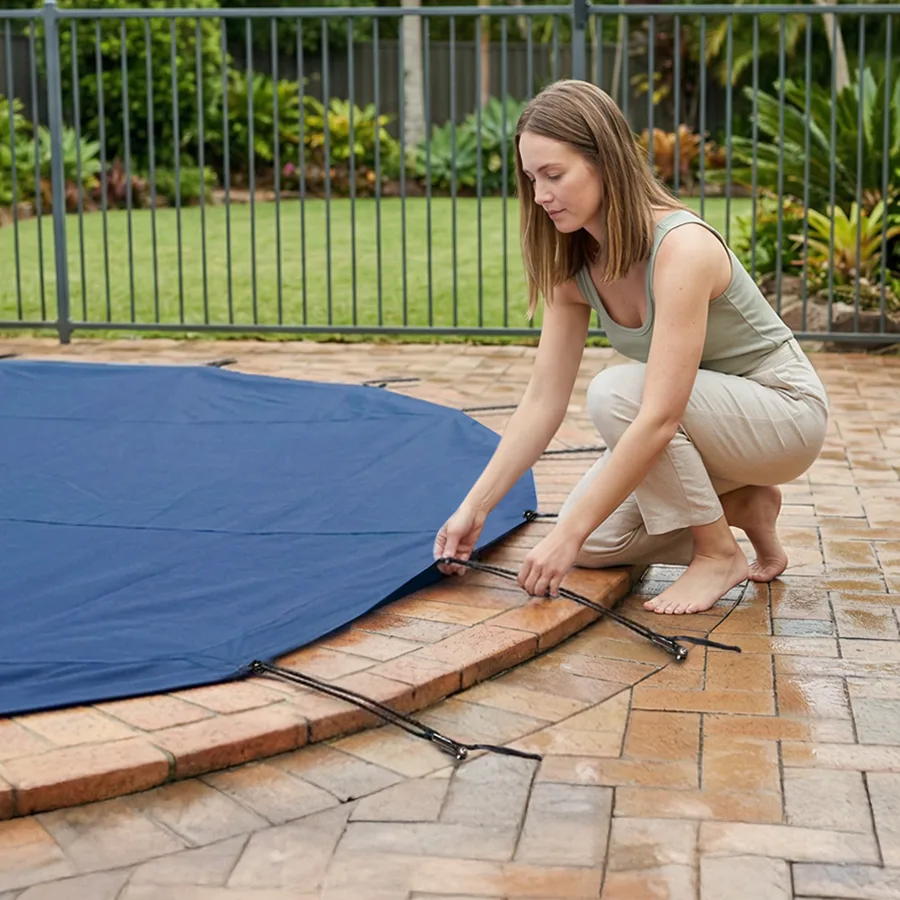
As temperatures drop, many pool owners assume it’s time to say goodbye to swimming until spring. But with the right pool cover, you can hold onto warmth for longer, reduce maintenance, and make reopening your pool far easier.
Getting your pool winter-ready isn’t just about closing it off, it’s about protecting the water, retaining heat where possible, and choosing the right cover for how you use your pool.
This guide will show you how different pool covers work, what to look for, and how to choose the best one for your pool.
Why Do Pool Covers Matter in Winter?
Pools lose heat quickly over winter, especially overnight.
A well-chosen pool cover can help:
- Reduce heat loss overnight
- Minimise evaporation (which also helps maintain water levels)
- Keep debris out of the pool
- Reduce the need for cleaning and chemicals
- Make reopening your pool faster and easier
Solar covers, in particular, are designed to capture warmth from the sun and reduce heat loss, helping maintain a more comfortable water temperature while lowering water and chemical use.
The Two Main Types of Pool Covers
When preparing for winter, most pool owners are choosing between:
- Solar pool covers (thermal blankets)
- Debris or winter covers
Each serving a different purpose.
Solar Pool Covers: Holding Onto Heat
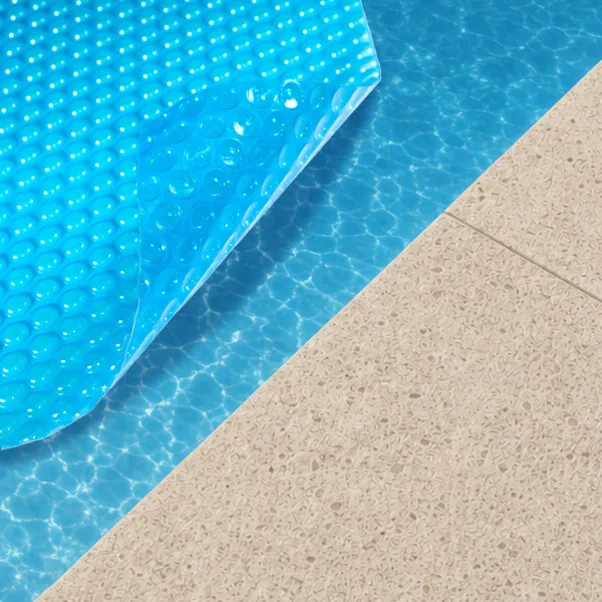
Solar pool covers are the go-to option if your goal is to retain heat and extend your swimming season.
They sit directly on the water’s surface and work by:
- Trapping heat already in the water
- Reducing evaporation (a major cause of heat loss)
- Capturing warmth from sunlight during the day
What to Look For
Solar covers are measured in microns, which refers to thickness. Generally:
- Lower micron covers are lighter and easier to handle
- Higher micron covers are thicker, more durable, and better at heat retention
This is where products like the Oasis Premium Blue 550 micron or Daisy 525 micron options come in. They offer a thicker material designed for durability and improved heat retention over time.
Real-World Use
If you’re still using your pool occasionally through autumn or early winter:
- Put the cover on overnight to keep warmth in
- Remove it during sunny days if you want direct heating
- Use it consistently to maintain temperature between swims
Debris & Winter Covers
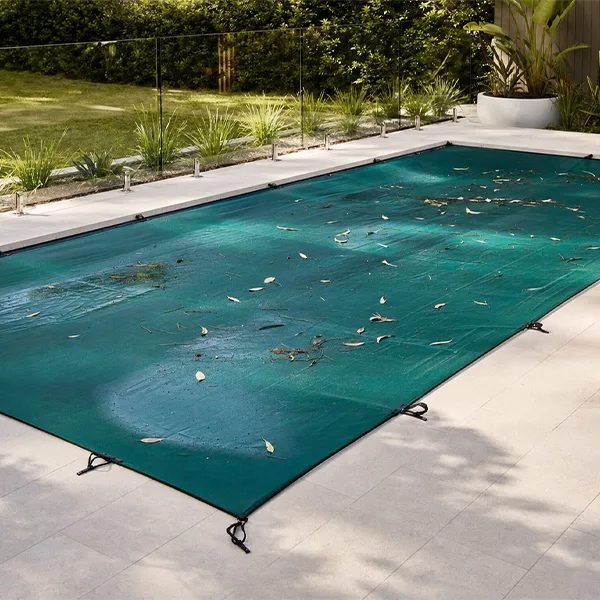
If your pool sees less use over winter, a debris or winter cover becomes essential.
Products like the WinterKleen or Pooltex debris covers are designed to:
- Stop leaves, dirt, and debris entering the pool
- Reduce cleaning time and maintenance
- Keep water clearer while the pool is not in use
- Provide a physical barrier during stormy or windy weather
For example, WinterKleen covers are made from durable, lightweight polypropylene mesh and are customised to fit your pool, helping keep water clean while allowing water to pass through.
Debris & Winter Covers are perfect if:
- Your pool sits under trees
- You’re not planning to swim regularly
- You want to reduce cleaning before reopening
- You want long-term seasonal protection
Choosing the Right Cover for Your Pool
The “best” option depends on how you plan to use your pool during the colder months.
If You Still Swim Occasionally
Go with a solar pool cover:
- Helps maintain a more comfortable temperature
- Reduces heat loss between uses
- Available in different thicknesses for durability
If You’re Closing the Pool for Winter
Choose a winter/debris cover:
- Keeps leaves, dirt, and debris out
- Reduces cleaning before reopening
- Offers long-term protection
Getting the Right Fit
A poorly fitted cover can reduce heat retention and have less debris control.
Clark Rubber covers can be:
- Custom made to your pool shape and size
- Designed to suit different pool layouts, including steps and curves
When measuring:
- Allow for slight overlap on in-ground pools
- Account for steps or irregular shapes
- Consider how you’ll remove and store the cover
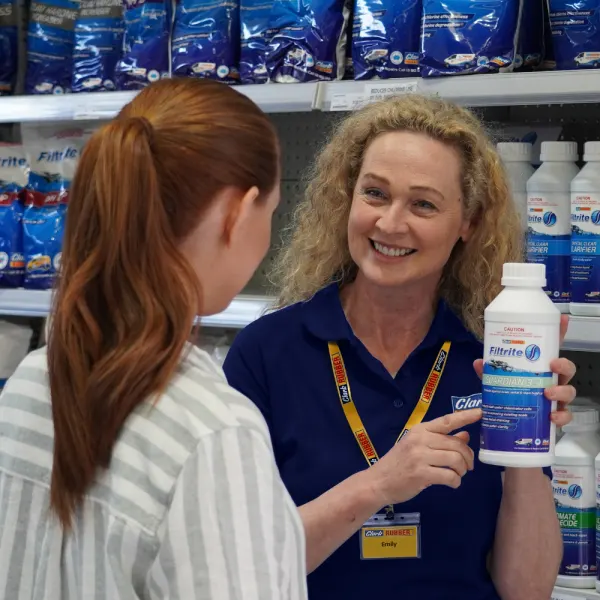
If you have any questions on how to measure your pool for a pool cover, please visit or contact your local Clark Rubber store, and one of our friendly experts will be able to assist you.
Practical Tips for Winter Pool Cover Use
A few small habits can make a big difference in how well your cover performs:
Keep It Clean
- Remove leaves and debris regularly
- Prevent build-up before it enters the pool
Use It Consistently
- Covers work best when used daily (especially solar covers)
Store It Properly
- Avoid dragging covers across rough surfaces
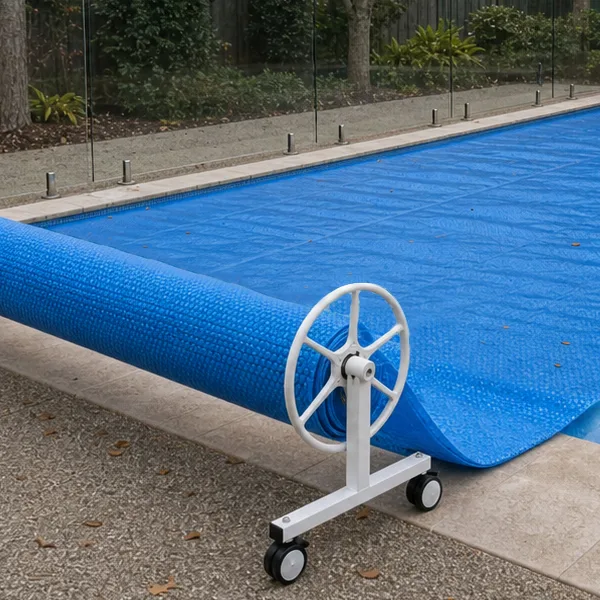
- Use a roller system for larger pools to reduce wear
Think About Access
- Heavier or thicker covers offer benefits, but it's important to make sure they are manageable for you and your setup
What Winter-Ready Really Looks Like
Getting your pool ready for winter also includes getting it set up properly for the months ahead.
With the right cover, you can:
- Hold onto warmth for longer
- Keep your pool cleaner with less effort
- Reduce water and chemical loss
- Make spring reopening quicker and easier
Whether you choose a solar cover, or a debris cover, the key is matching the cover to how you personally use your pool.
Winter doesn’t have to mean neglecting your pool or starting from scratch in spring.
A well-chosen pool cover helps you maintain control over temperature, cleanliness, and maintenance, even when the weather cools down.
If you’re unsure which option suits your pool, please visit our friendly experts instore who will be able to help you find the pool cover that works for you.
Frequently Asked Questions
A solar cover won’t heat your pool like a heater, but it helps retain existing warmth and reduces heat loss, which makes a noticeable difference - especially overnight.
Not really. Solar covers sit on the water, so debris lands on top and can fall in when removed. That’s where a debris cover is more effective.
Limitations to Consider when using a Solar cover
• Fine Debris: Tiny leaves, fine dust, and pollen can sometimes sneak in around the edges of the cover.
• Removal Challenges: If you have a lot of leaves on top of the cover, removing it quickly can cause the debris to slide into the pool.
Higher micron (thicker) covers generally offer:
• Better durability
• Improved heat retention
But they can also be heavier to move, which can be more physically demanding moving on and off.
If your pool has:
• Curves
• Steps
• An irregular shape
A custom or pre-cut cover will give a neater fit and better performance. Our experts will be able to find and create the perfect cover for your pool.