🚚 Limited free delivery on orders over $120*
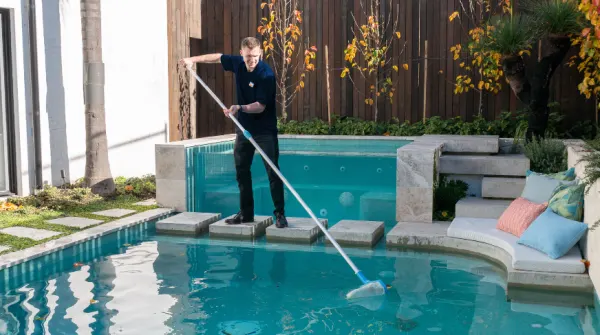
We offer a great range of services to look after your pool and keep it crystal clear all-year-round.
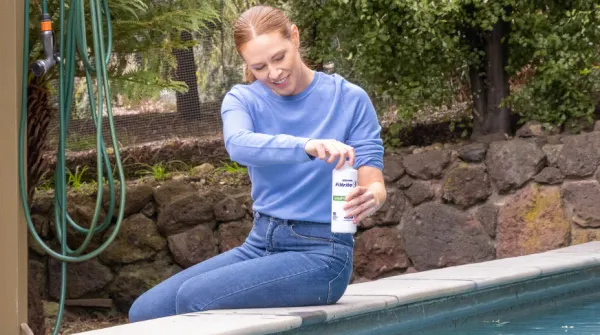
Bring a sample of your pool water into store in a clean bottle and our team will test it for several key factors.
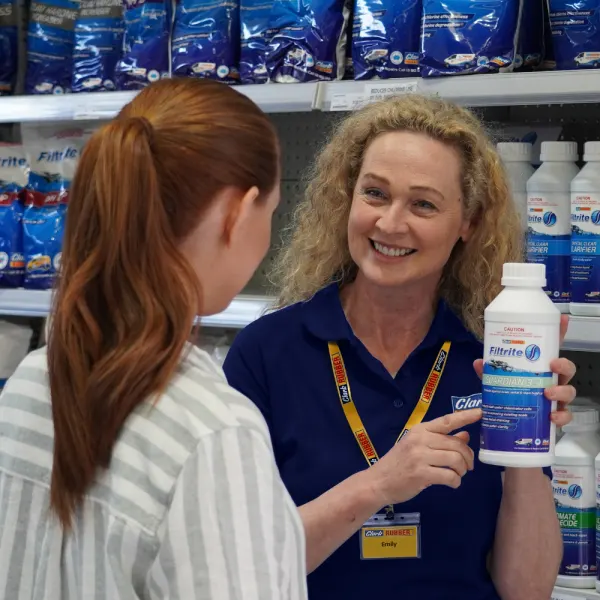
Our Superstores have everything you need to keep your pool or spa in top condition so you can enjoy it for longer.

Explore our blog for expert tips and advice on keeping your pool and spa in top condition.

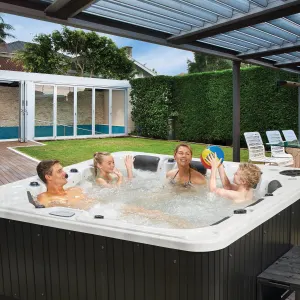
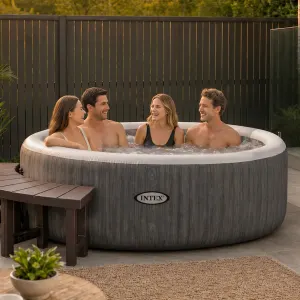
With our spa experts, it’s easy to keep your spa clean, in good working order, and always ready to relax in.
Bring a sample of your spa water into store in a clean bottle and our team will test it for several key factors.
Our Superstores have everything you need to keep your spa in top condition so you can enjoy it for longer.
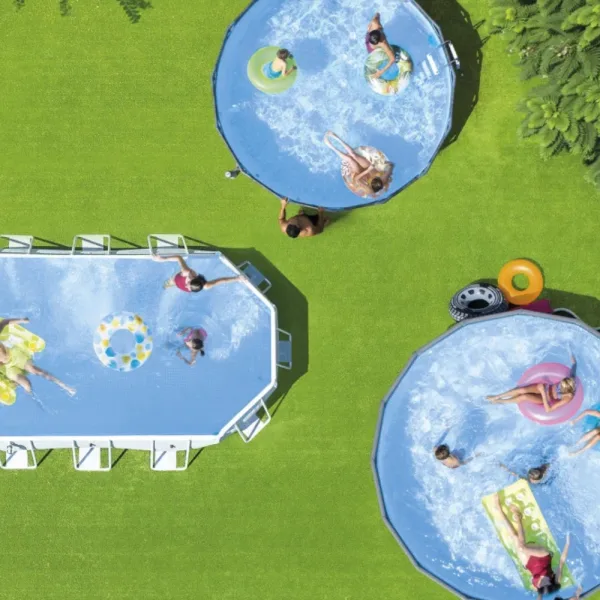
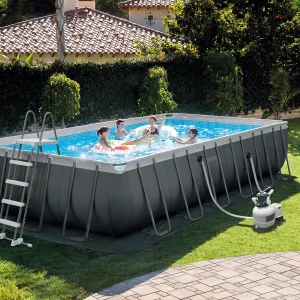
Portable pools are an easy and affordable way to bring fun to your backyard.
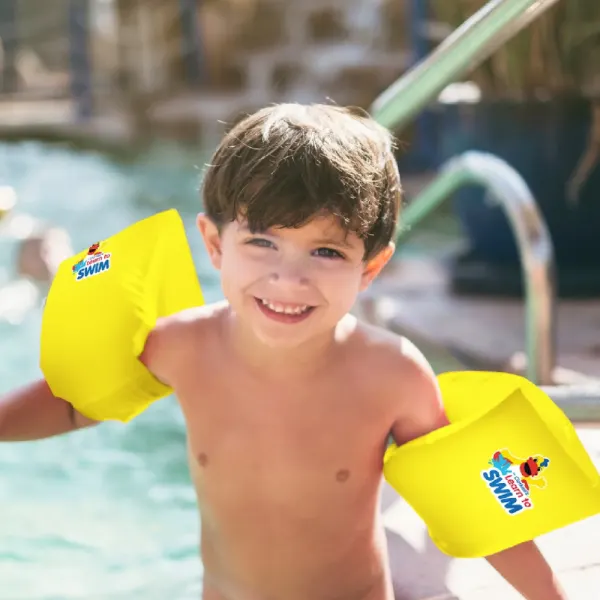
Discover the Learn to Swim range, designed to introduce children to the water in a fun and enjoyable way.

Swimply is like Airbnb for pools: rent one out for a few hours of fun or a special event.

Dreemi mattresses feature five innovative layers designed to deliver optimal comfort for every type of sleeper.
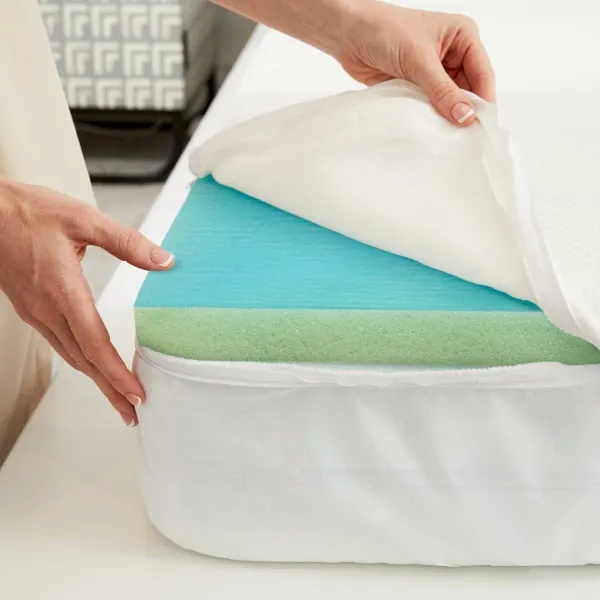
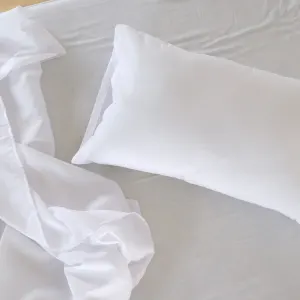
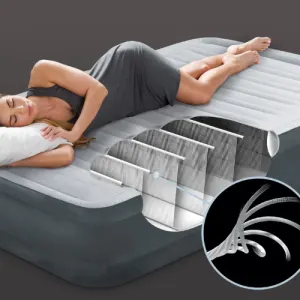
Upgrade your sleep without a whole new mattress with our premium toppers.

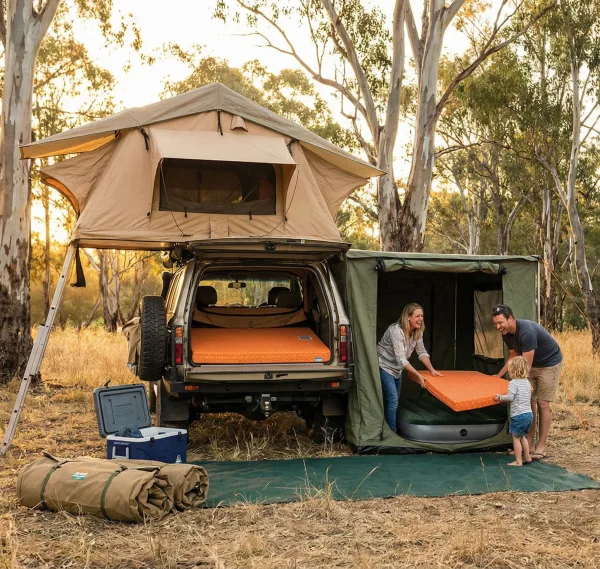
Caravan, campervan, camper trailer, or boat - we can tailor make a mattress to your specifications.

From lounges, chairs, cushions and daybeds, to soundproofing and packaging, Clark Rubber can custom cut foam for exactly what you need.

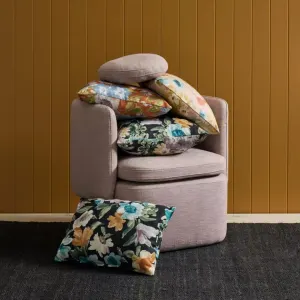
Custom create your dream cushions in 3 easy steps: Fabric, Foam & Finish.
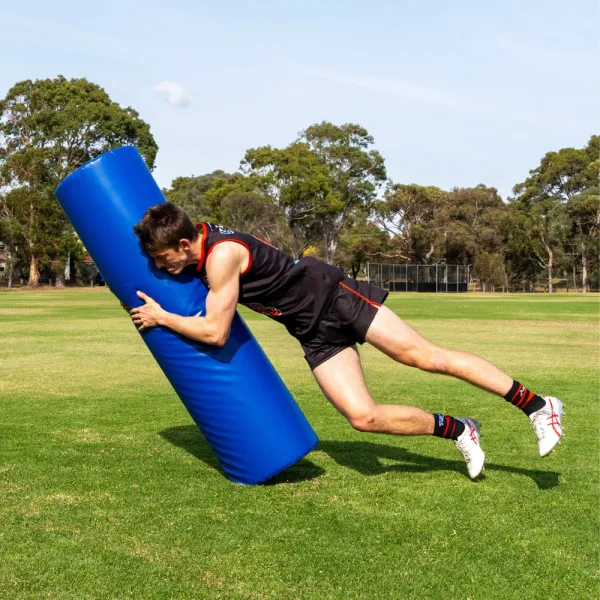
Add your team's logo to our foam sports equipment. Available in 4 colours and multiple sizes; perfect for any team.
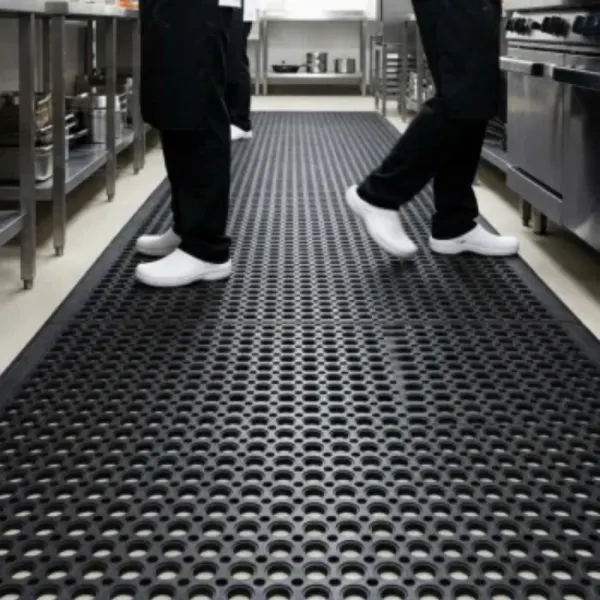
From entrance mats to anti-fatigue, carpet, and custom logo mats, we’ve got the perfect solution for every space.
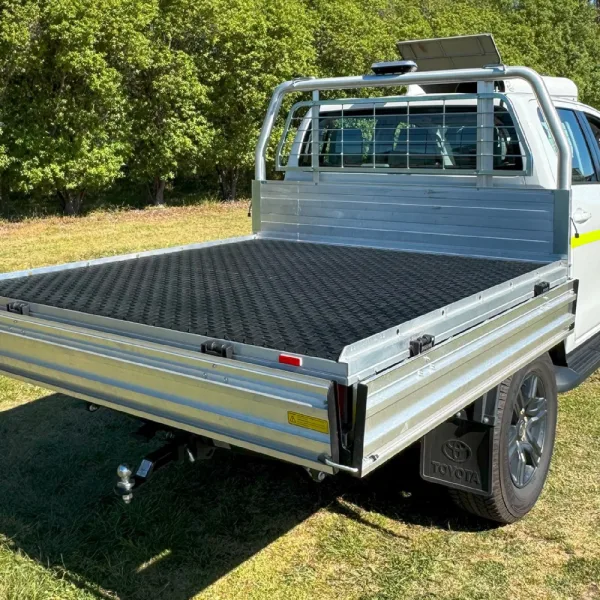
Ute matting provides durable protection for your vehicle tray, helping prevent damage from heavy loads and everyday wear.
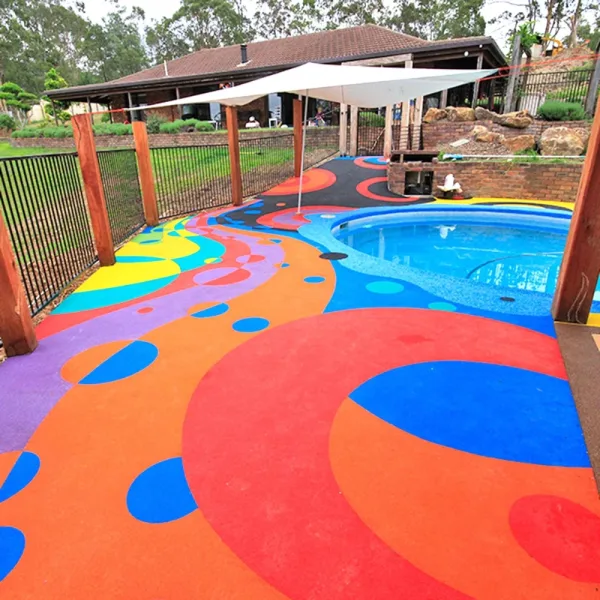
From playgrounds to pathways, garden paths to pool surrounds, Wet Pour Rubber can be formed to any shape.
Custom create your dream cushions in 3 easy steps: Choose your fabric, choose your foam & choose your finish.
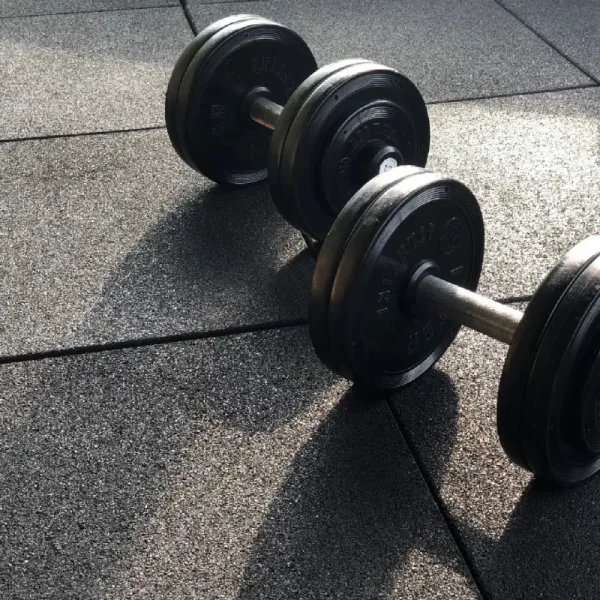
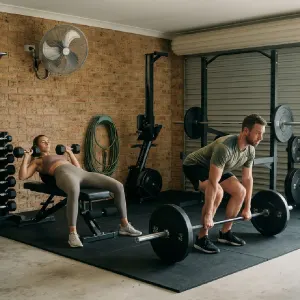
Create a safer, more comfortable workout space with durable gym mat flooring.
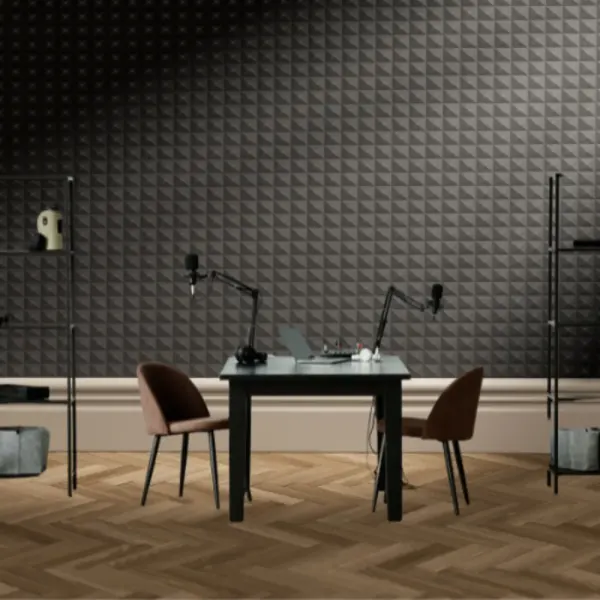
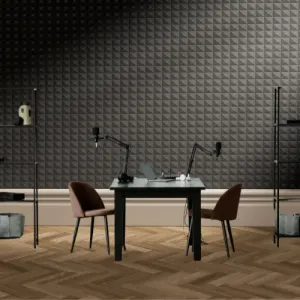
Read our step-by-step guide on how to set up a podcast space using our acoustic foam.
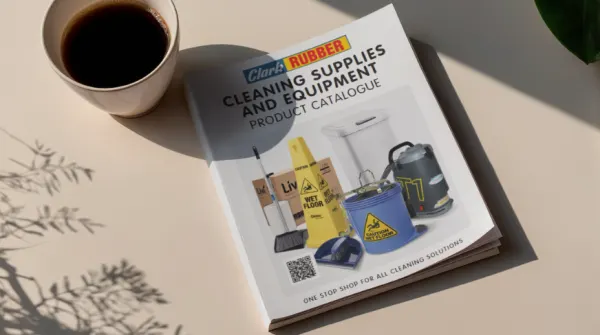
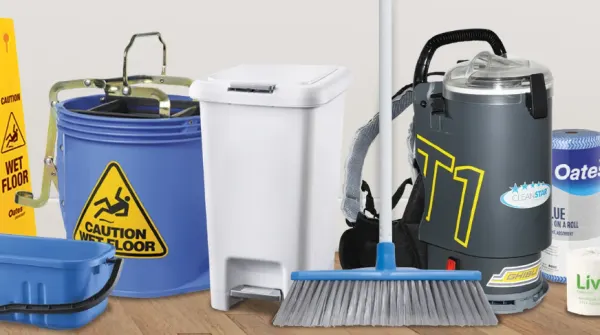
Find the right cleaning products for your business with our easy-to-follow guide.
Sign up for a Business Account with us to easily access your invoices, order history, and apply for a credit account.
We offer a great range of services to look after your pool and keep it crystal clear all-year-round.
Bring a sample of your pool water into store in a clean bottle and our team will test it for several key factors.
Keep your pool running smoothly and your water crystal clear with a professional equipment check.
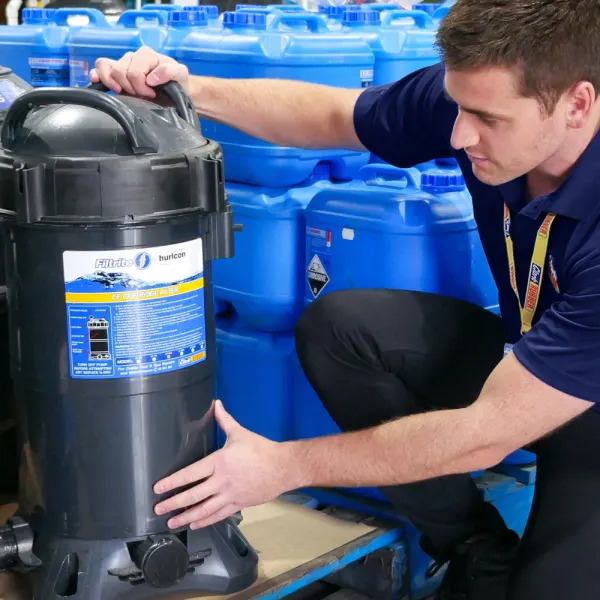
Our experienced technicians can repair your equipment or recommend the right replacement for your pool.
With our spa experts, it’s easy to keep your spa clean, in good working order, and always ready to relax in.
Bring a sample of your spa water into store in a clean bottle and our team will test it for several key factors.
Custom create your dream cushions in 3 easy steps: Choose your fabric, choose your foam & choose your finish.

Caravan, campervan, camper trailer, or boat - we can tailor make a mattress to your specifications.
Add your team's logo to our custom branded foam sports equipment. Available in 4 colours and multiple sizes.
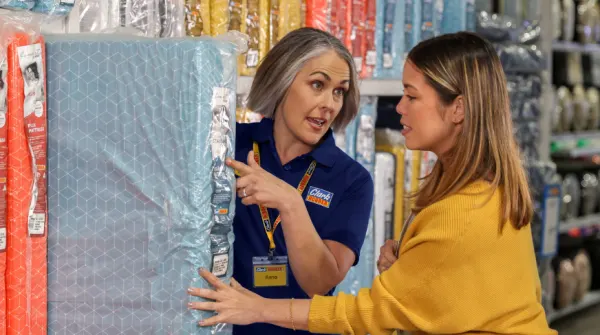
Need a mattress trimmed to size? Buy any of our Comfort mattresses in-store and we can cut it the exact size you need.
From lounges, chairs, cushions and daybeds, to soundproofing and packaging, Clark Rubber can custom cut foam for exactly what you need.
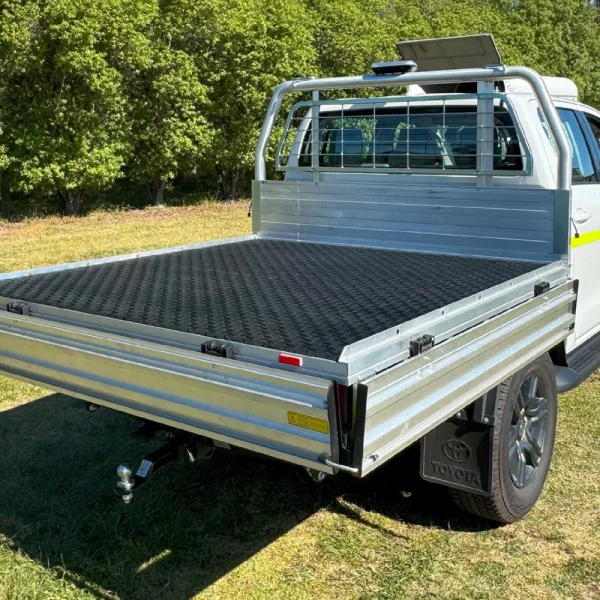
Get the perfect fit every time with our cut-to-length flooring and matting, tailored to suit your space and needs.
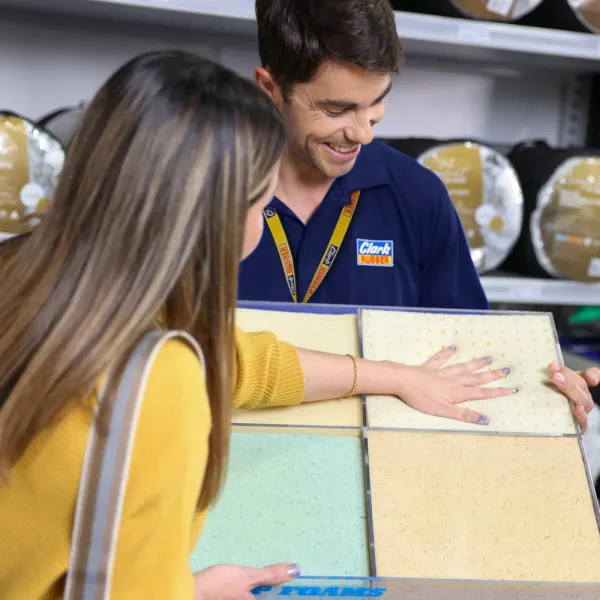
Find a store near you to see our products in person, or ask our expert staff for advice on anything pools, foam, rubber, or cleaning.
Our Superstores have everything you need to keep your pool or spa in top condition so you can enjoy it for longer.
Swimply is like Airbnb for pools: rent one out for a few hours of fun or a special event.
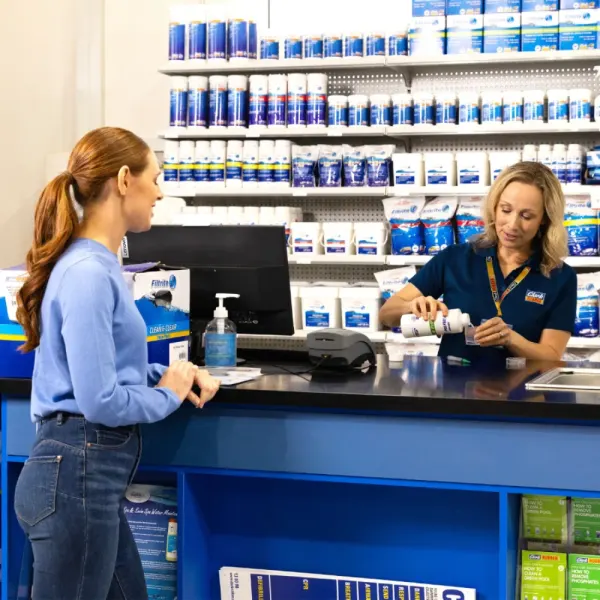
Is your pool green, cloudy, and unusable? The good news is it can be fixed quickly with the right steps.
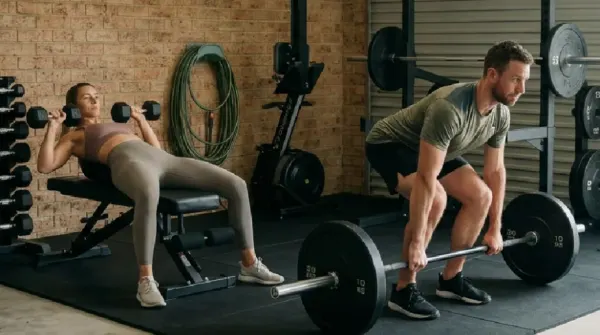
With the right setup, you can build a practical, effective home gym that supports everything from quick workouts to full training sessions.
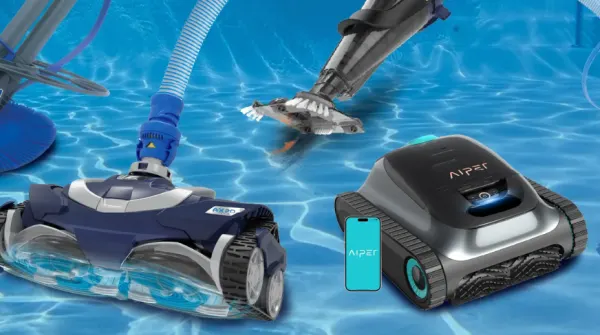
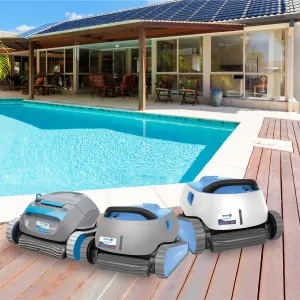
How to choose a pool cleaner to keep your water clean and inviting all year round.
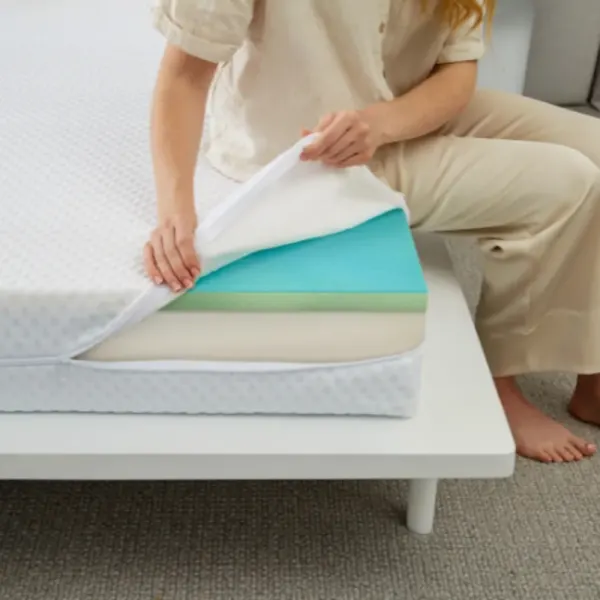
Say goodbye to tossing and turning at night. Clark Rubber’s brand-new Comfort Platinum Cool Max offering is here to redefine how Australians sleep.
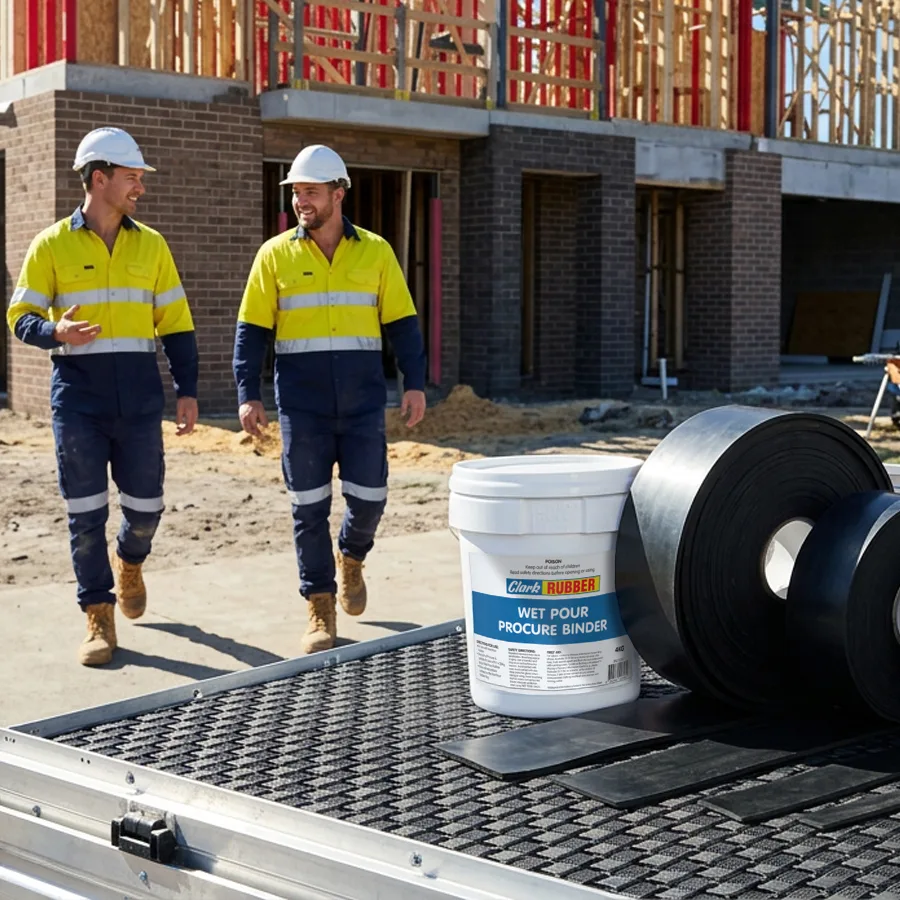
If you’re on the tools every day, you know the value of gear that actually works - whether it’s protecting equipment, improving safety, or making a job quicker and cleaner.
That’s where rubber products come into their own.
They’re not just for industrial use. With the right approach, rubber is one of the most versatile materials for solving real problems on-site, in the workshop, or on the road.
This guide breaks down practical ways trades are using:
…to create durable, functional setups that hold up in real-world conditions.
Why Rubber Works So Well for Trades
Before jumping into applications, it’s worth understanding why rubber is so widely used across different trades.
It offers:
You’re not locked into one use - rubber adapts to whatever the job demands.
1. Rubber Matting for Utes, Vans & Trailers
Your vehicle does a lot of heavy lifting - and without protection, it shows.
Rubber matting is a simple way to protect surfaces and keep gear stable during transport.
Common setups:
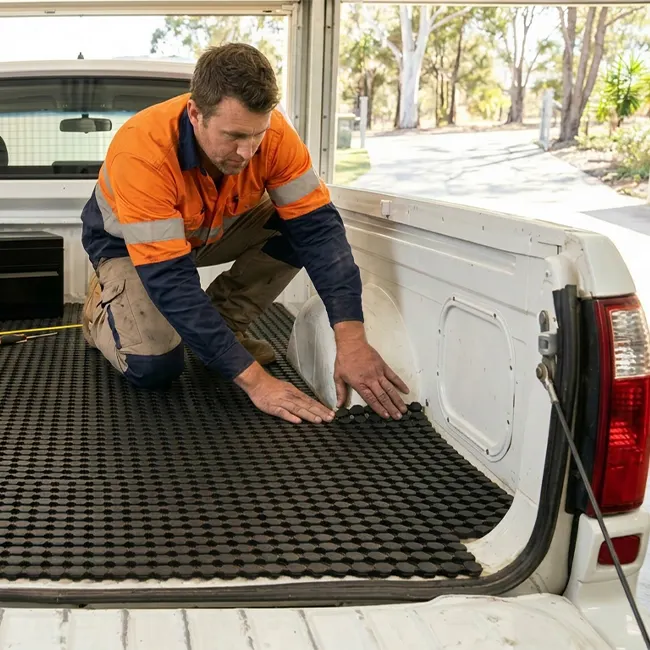
Benefits:
For tradies moving gear daily, this is one of the quickest upgrades with immediate payoff.
2. Wet Pour Rubber for Work Zones
Wet pour rubber isn’t just for playgrounds - it’s a practical option for trade environments where safety and durability matter.
Where it works:
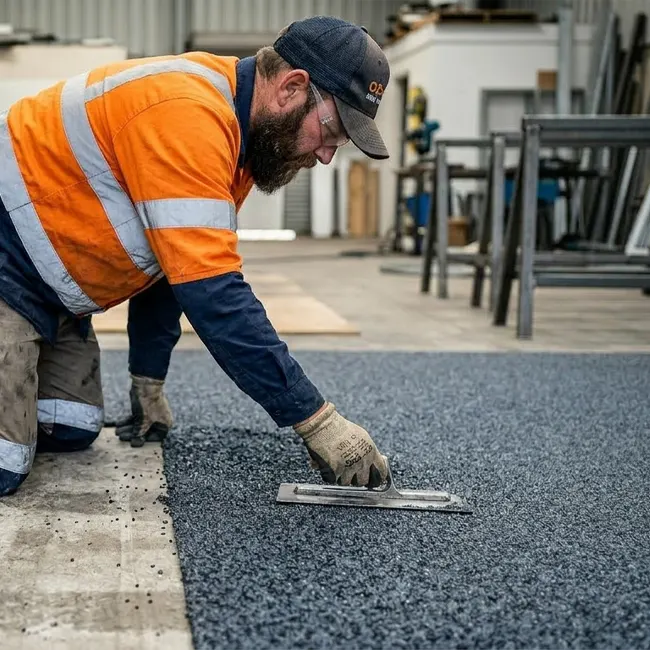
Why it’s worth considering:
When it makes sense:
It’s a more involved install, but it pays off in longevity and low maintenance.
3. Strip & Sheet Rubber for Protection and Sealing
Strip and sheet rubber is one of the most adaptable materials you can keep on hand.
It’s used across a wide range of applications where protection, sealing, or surface coverage is needed.
Practical uses:
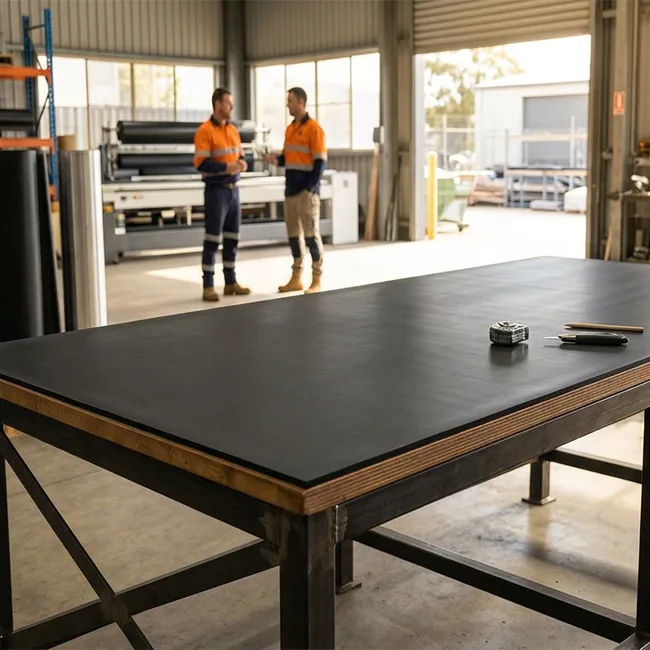
Why trades use it:
It’s the kind of product that solves small problems before they become bigger ones.
4. Door & Window Seals
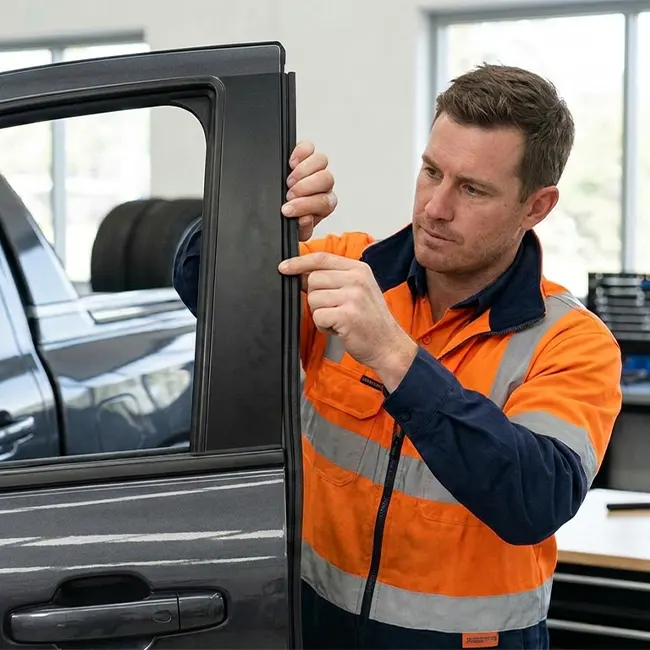
Keeping out dust, water, and drafts matters - especially in vehicles, workshops, and job sites exposed to the elements. Automotive seals and Door & Window Seals are customisable and manufactured for a wide range of applications.
Where they’re used:
Why they’re worth it:
A small addition that makes a noticeable difference over time.
5. Trailer & 4WD Rubber Accessories
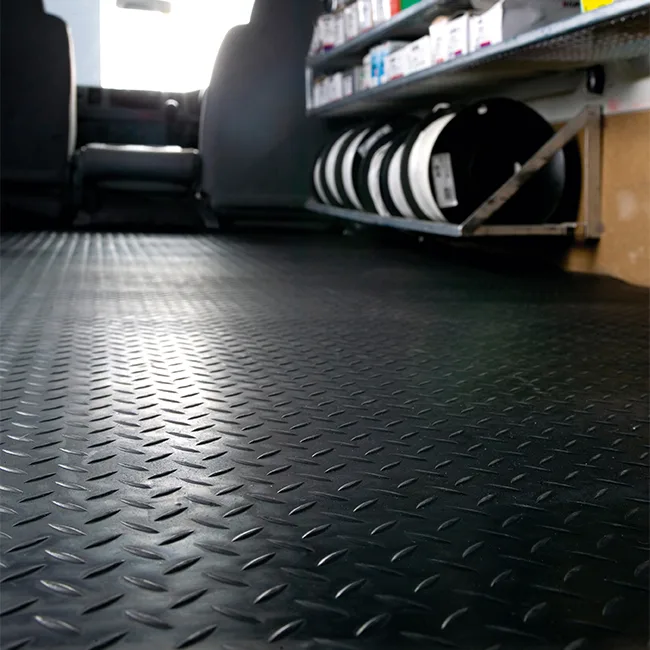
If you’re working out of a trailer or 4WD setup, rubber plays a big role in keeping everything protected and functional.
Typical applications:
Benefits:
For trades working across different sites, durability here is key.
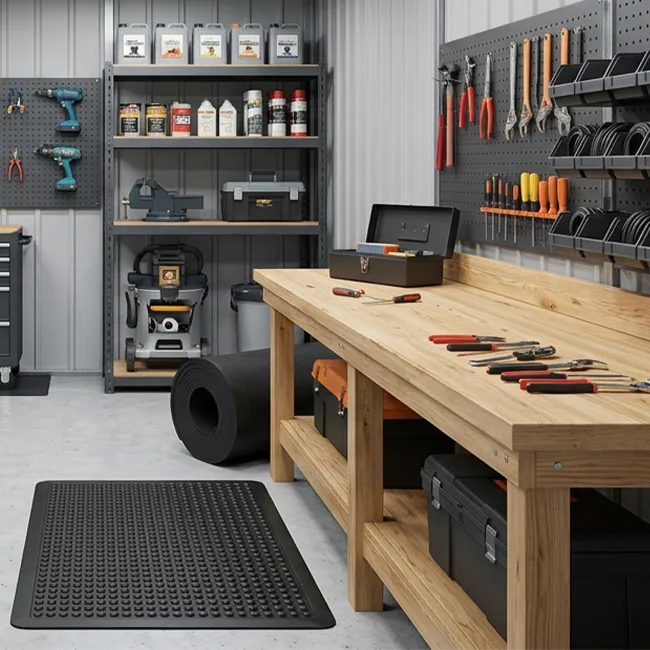
6. Anti-Fatigue & Safety Matting
Long hours on hard surfaces take a toll - especially in workshops or fixed work areas.
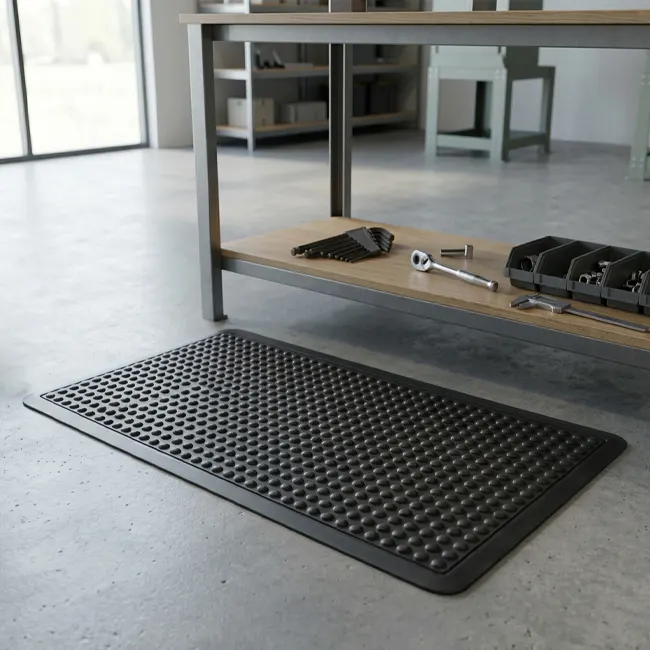
Rubber matting can help improve comfort and reduce strain.
Where it helps:
Why it matters:
It’s a simple upgrade that supports day-to-day productivity.
Choosing the Right Rubber for the Job
Different rubber products suit different tasks. The key is matching the product to how and where it’ll be used.
Use wet pour rubber when:
Use matting when:
Use strip or sheet rubber when:
Use seals when:
Common Questions Trades Ask
“How do I make it last?”
“Can I cut this myself?”
In many cases, yes - especially with strip and sheet rubber. For larger or more precise applications, getting it cut to size by a professional can save time. Clark Rubber experts can cut your rubber to your specified size and shape so you can bypass the hassle and guesswork.
“Is it worth the effort?”
If it helps:
…then it usually pays off quickly.
Practical Solutions That Hold Up
The best setups are the ones that:
Rubber products aren’t just add-ons - they’re practical materials that improve how you store, transport, and use your gear.
Whether you’re:
…there’s a rubber solution that fits the job.